Mechanical motion
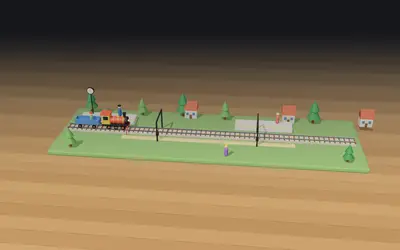
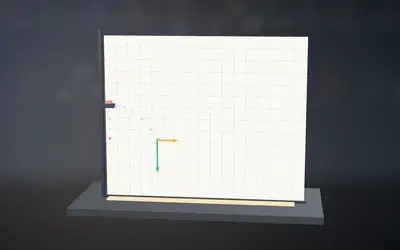
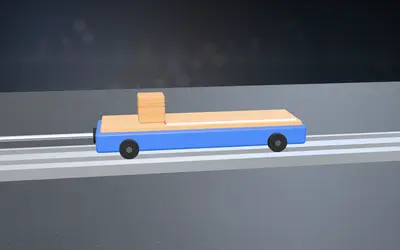
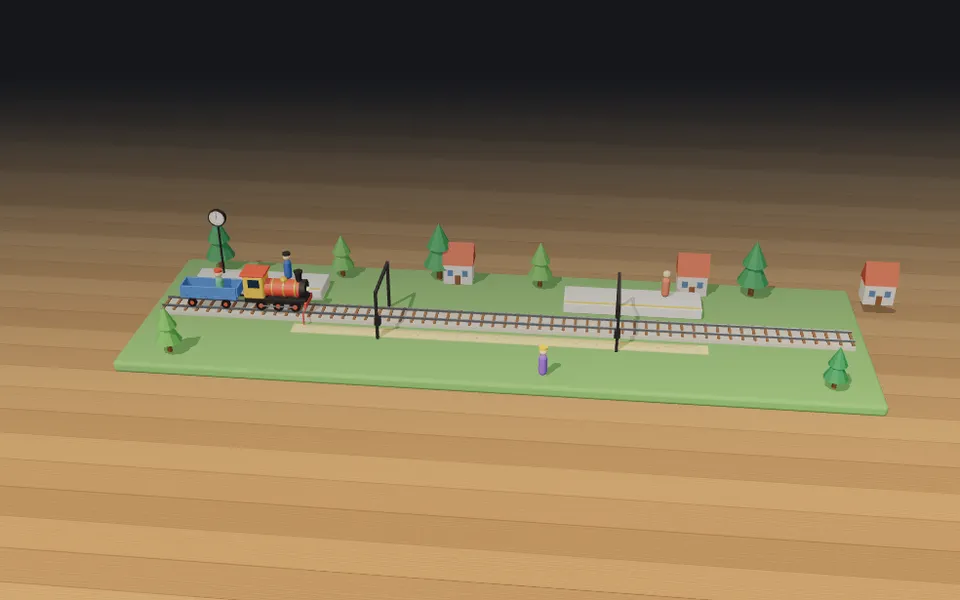
Follow a toy train through reference frames, distance, strobe photos and average speed.
PHYSICS
The rules behind everyday life
Why does light bend? Why do we lean forward when a vehicle brakes? Discover the rules behind everyday events.
From a toy train to a satellite: how things move, and how forces change that.
5 labs21 experiments
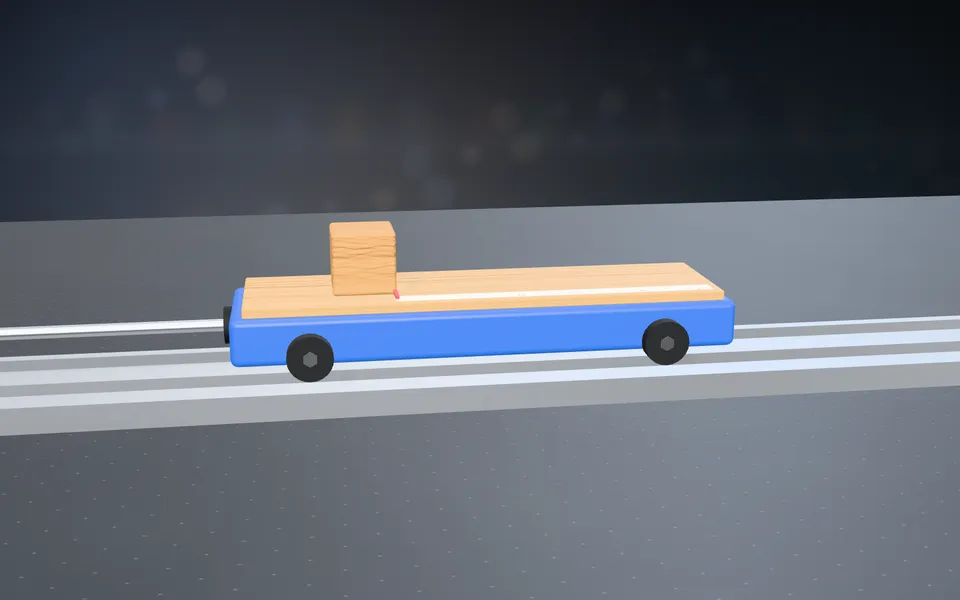
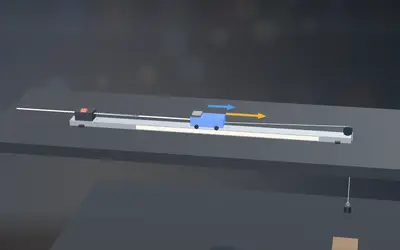
Follow a toy train through reference frames, distance, strobe photos and average speed.
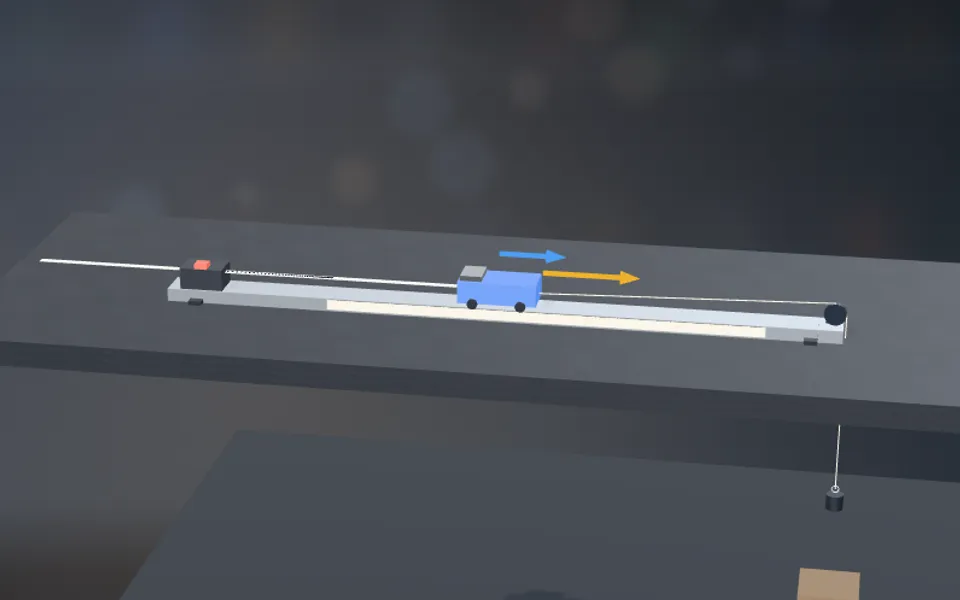
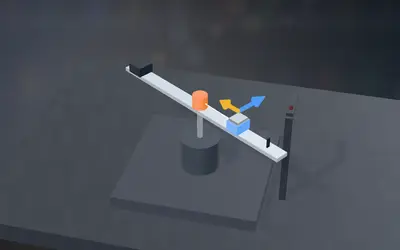
A cart hits a stop. Why does the block on top keep sliding? Compare four cart-top surfaces.
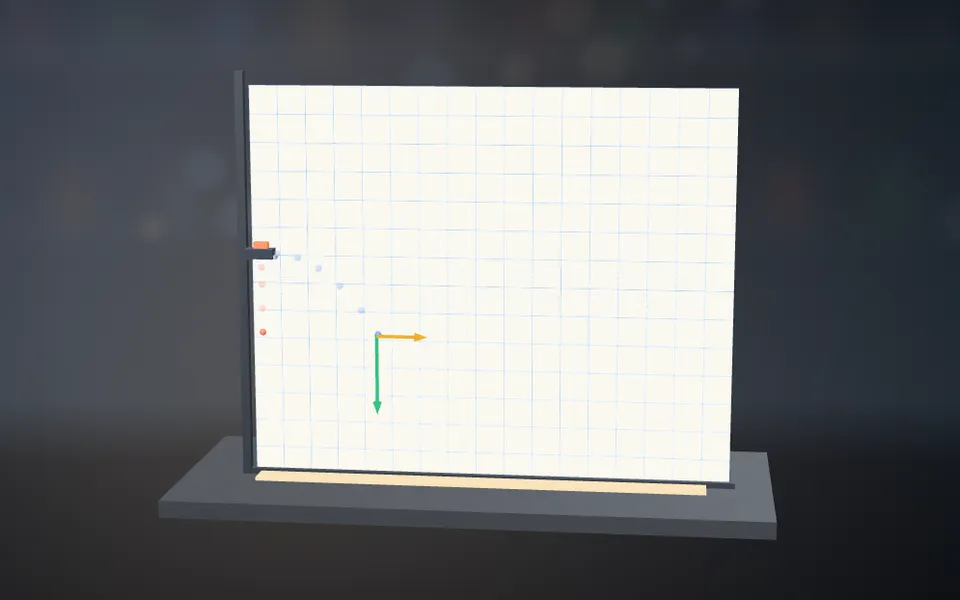
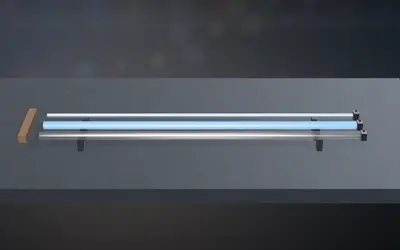
Measure how forces change motion with ticker tape, a Newton tube and photogates.
Throw it, spin it, loop it: curved motion and the conservation of mechanical energy.
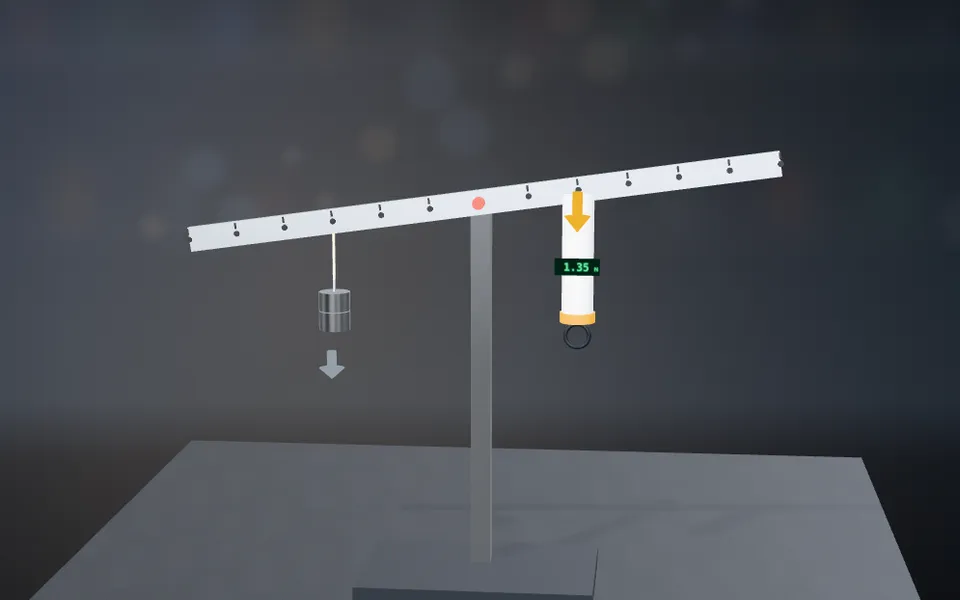
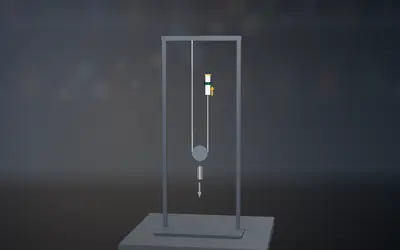
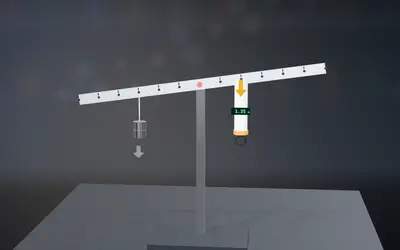
Levers, pulleys and ramps all save force, at the price of a longer path.
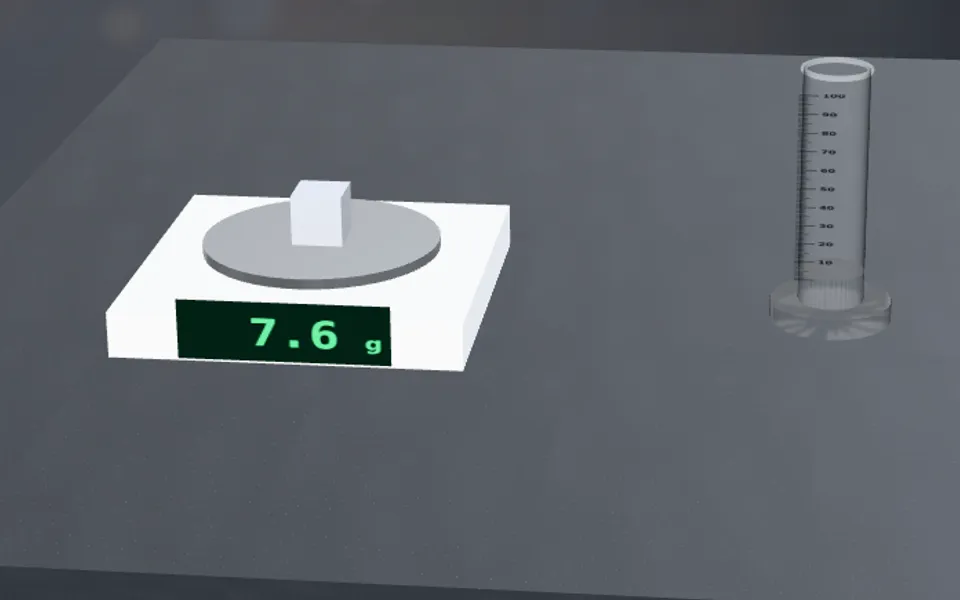
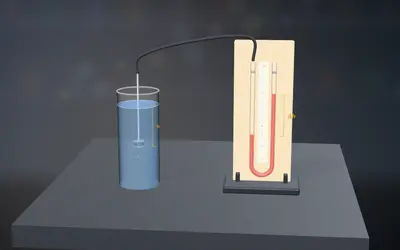
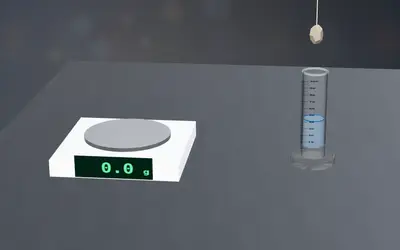
Weigh it, press it, lower it into water: how dense matter is, and how a liquid holds up a ship.
2 labs10 experiments
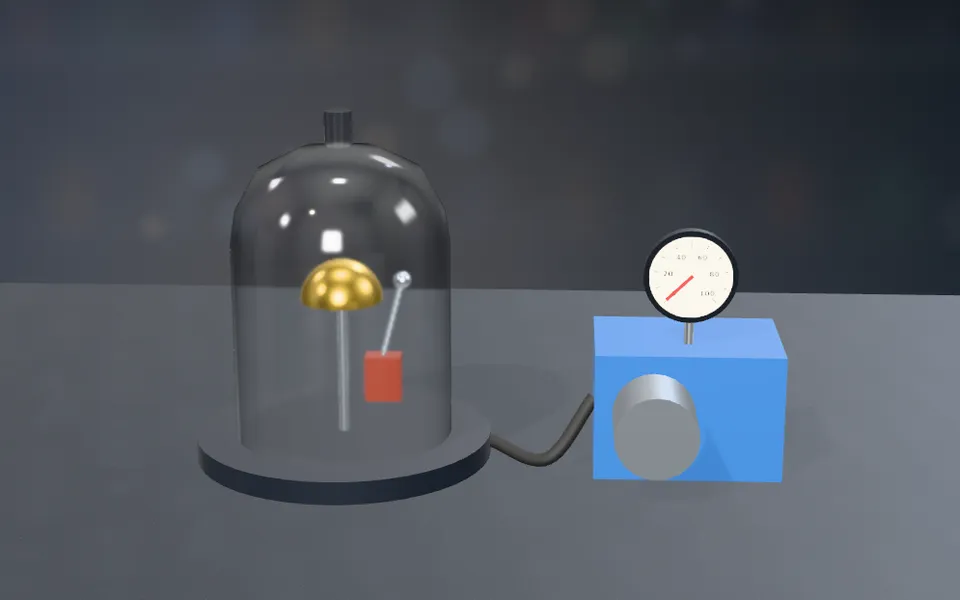
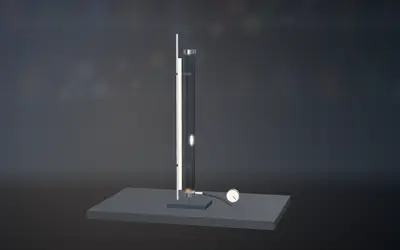
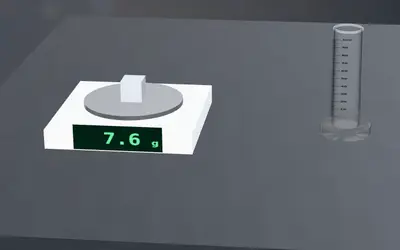
Weigh, measure volume, find density; see why the same force sinks in to different depths.
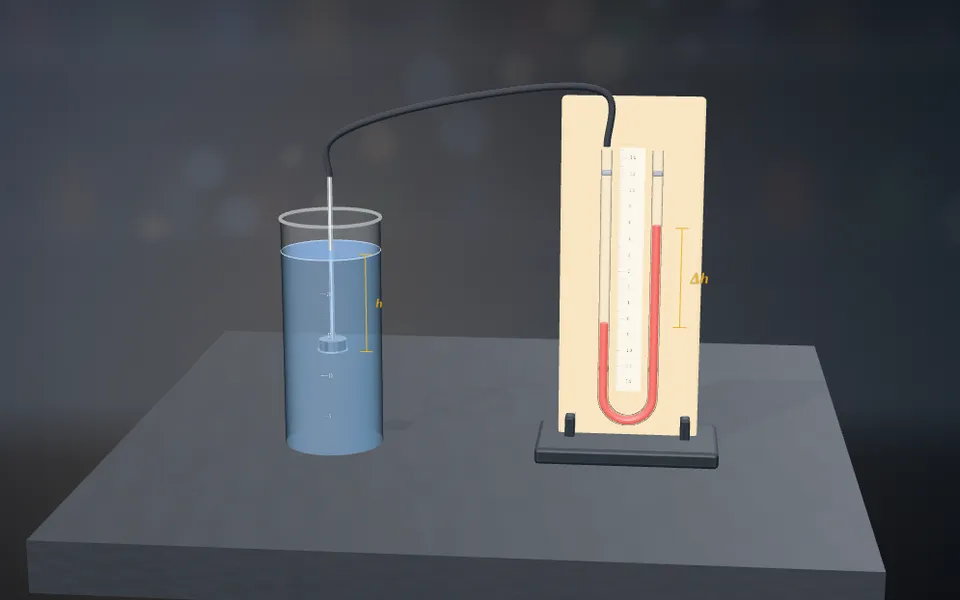
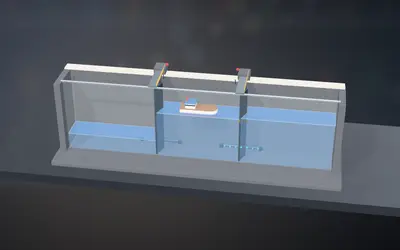
Pressure in a liquid grows with depth; buoyancy is the difference between the push from below and the push from above.
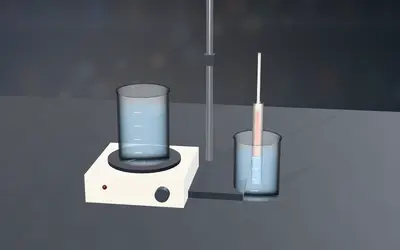
Where heat comes from and where it goes; how a cylinder of gas turns heat into work.
2 labs11 experiments
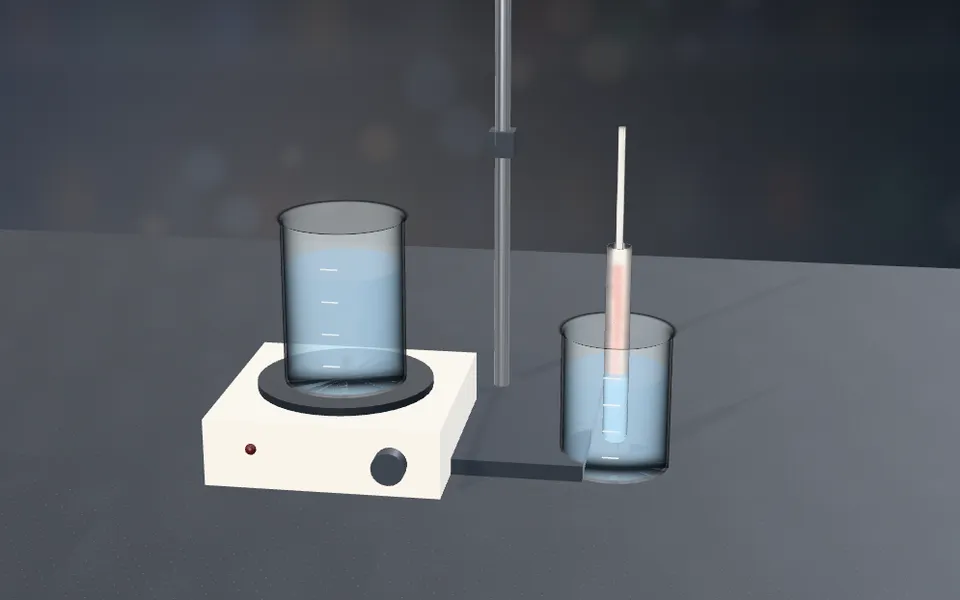
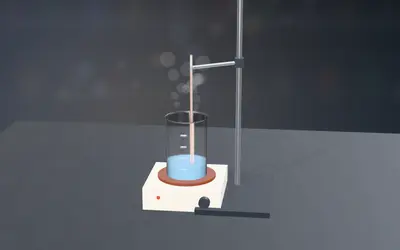
Watch the temperature curve: where the heat goes during melting and boiling.
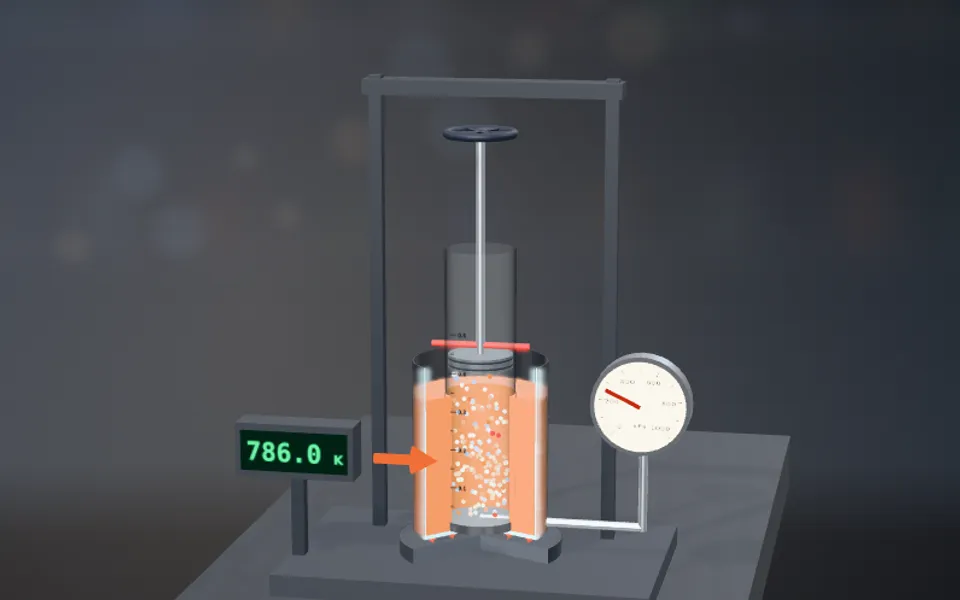
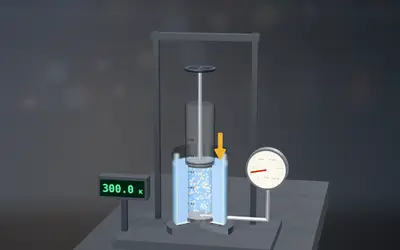
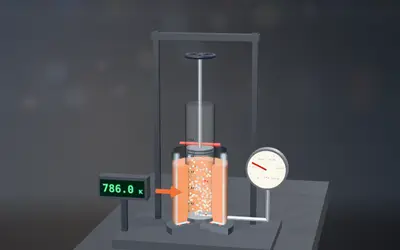
One cylinder with a piston covers the gas laws, the first law and the Carnot cycle.
A vibration that travels is a wave; the part you can hear is sound.
2 labs11 experiments
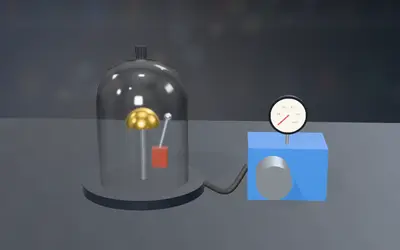
What carries sound, and what sets its pitch, loudness and timbre.
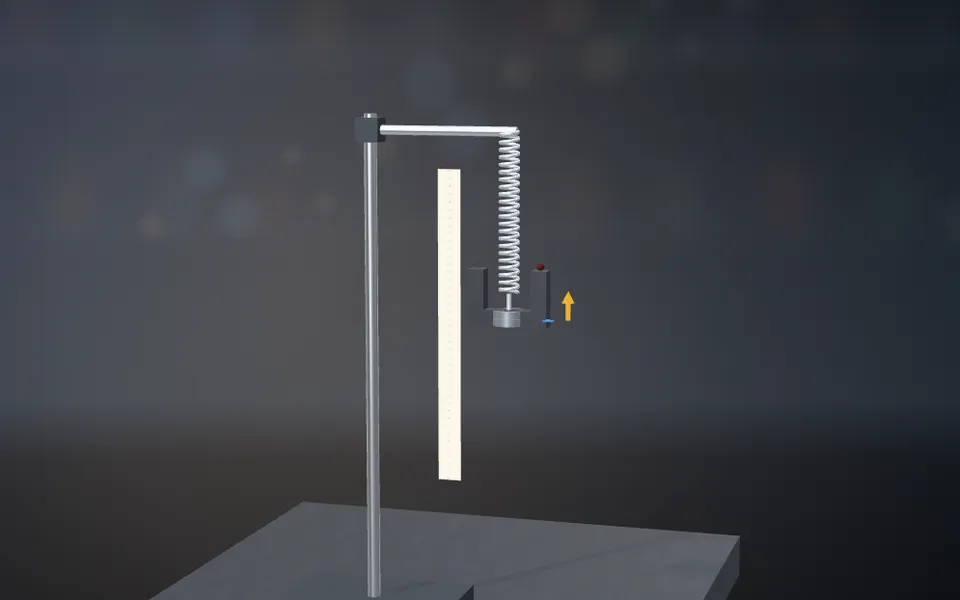
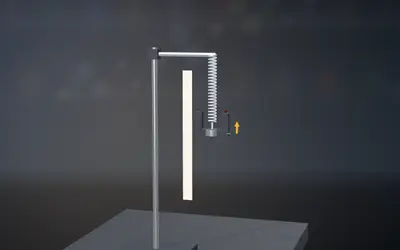
Start with a mass on a spring; see a vibration become a wave, and waves add up to a standing wave.
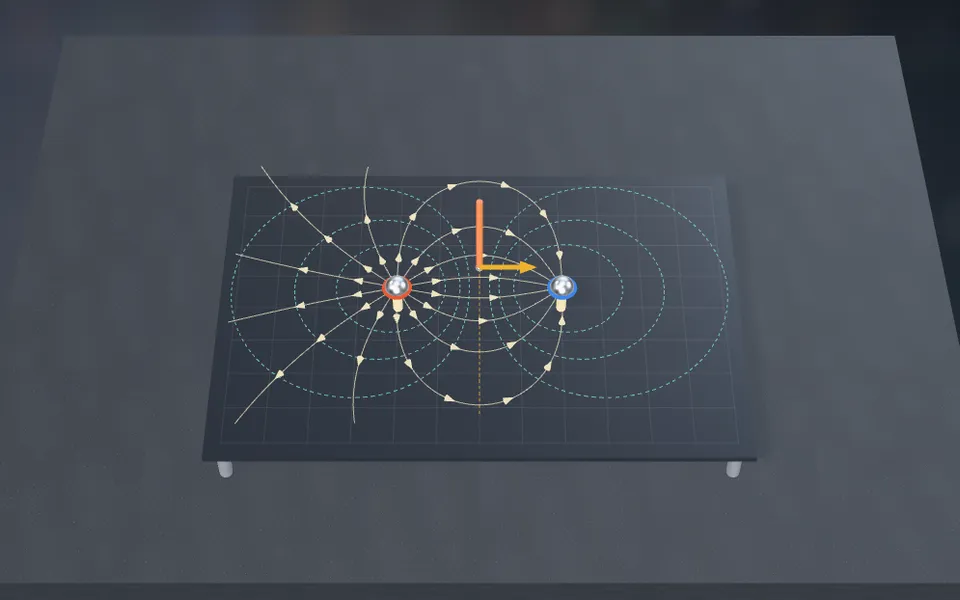
Close a circuit, then see the invisible fields around the wires.
3 labs17 experiments
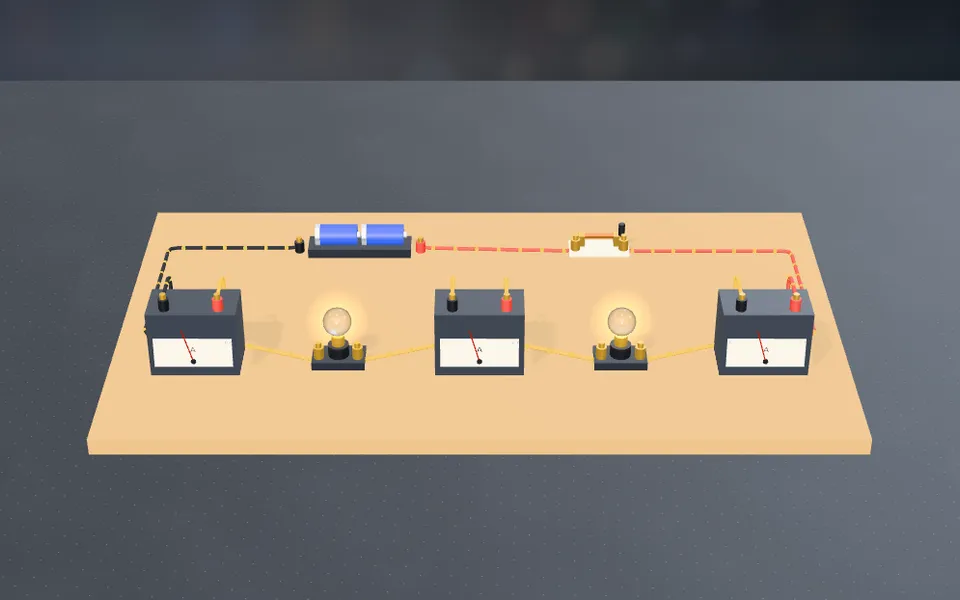
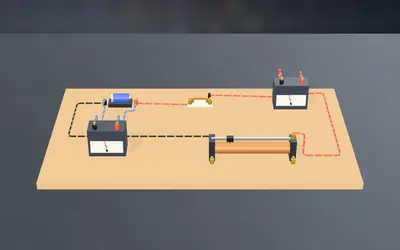
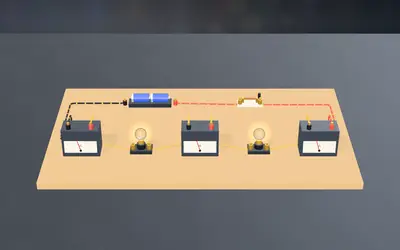
Close the circuit and read the meters: from series and parallel through Ohm’s law to the electromagnet.
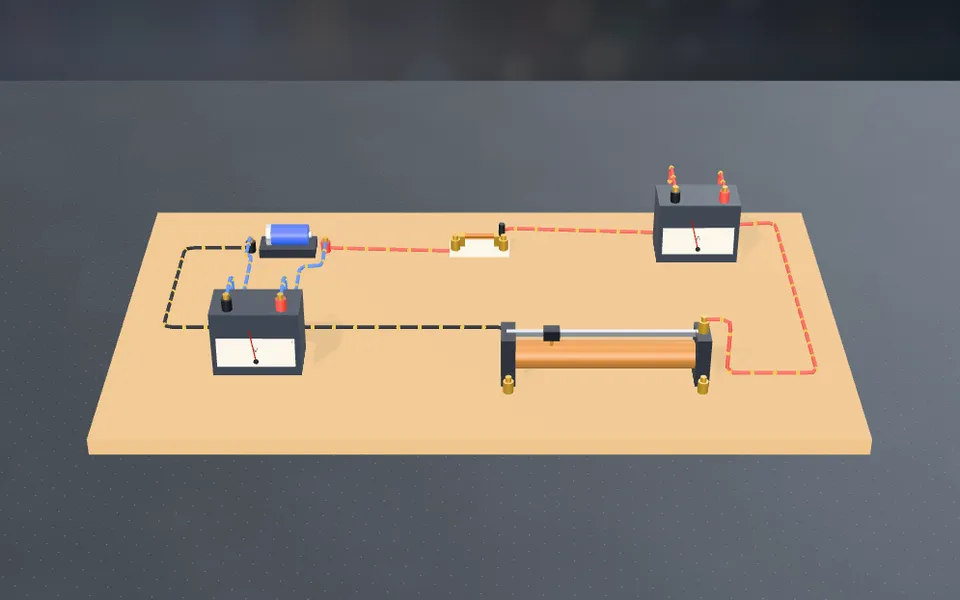
Cells have internal resistance, capacitors charge and discharge, coils resist a change in current: read the meters, watch the oscilloscope.
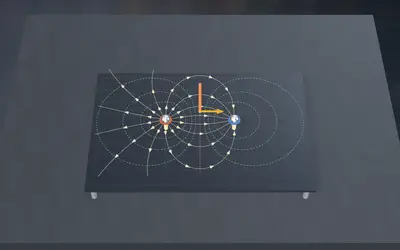
Electric and magnetic fields are invisible; measure them with a probe, an electron beam and a coil.
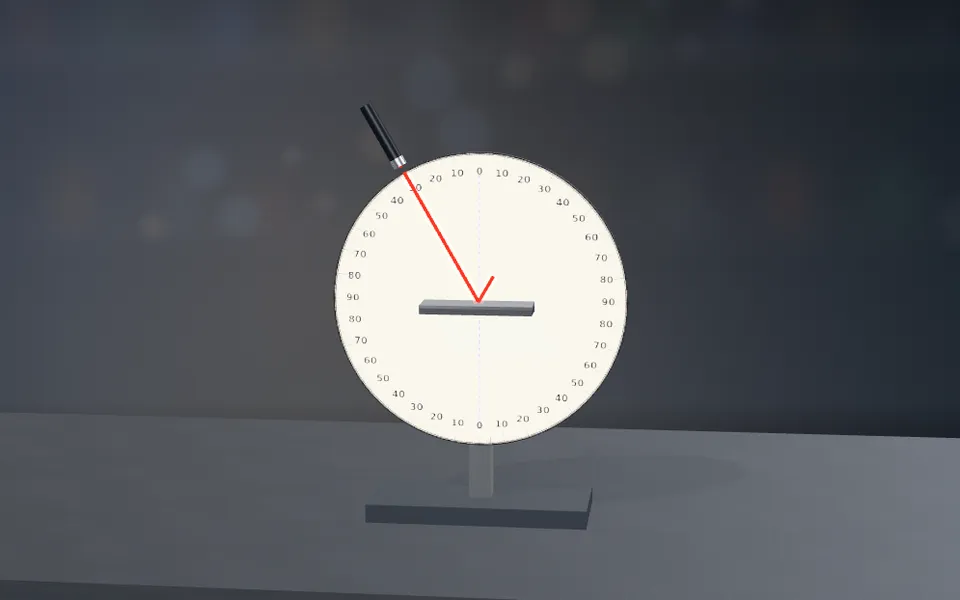
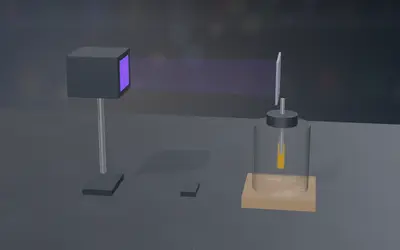
How light bends, forms images and interferes; why energy inside atoms comes in lumps.
2 labs13 experiments
Reflection, refraction, imaging, interference and polarization of a light beam, with every angle readable.
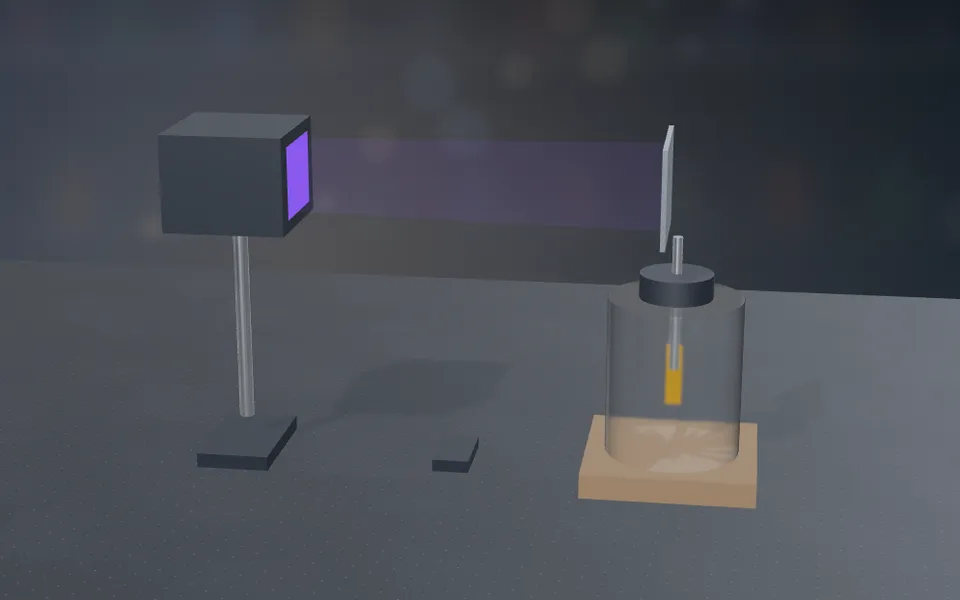
The photoelectric effect, alpha scattering, the hydrogen spectrum: energy in light and atoms comes in lumps.
SHORT READS
The chopstick has not bent. The light has changed direction.
Start reading ↓02 / Forces and motionObjects tend to keep their existing state of motion. This property is called inertia.
Start reading ↓The chopstick has not bent. The light has changed direction.
When light travels obliquely from water into air, its speed changes and its direction usually changes too. This is refraction. We see the underwater part of a chopstick because light from it crosses the water surface and reaches our eyes.
Our brain traces incoming light back along a straight line to estimate where an object is. Refraction makes the submerged part appear shallower than it really is, so the parts above and below the surface seem misaligned.
Light travelling perpendicular to the water surface does not change direction there. The viewing angle matters: crossing between two media does not always make light bend.
Usually shallower. This is one reason not to judge water depth by appearance alone.
Objects tend to keep their existing state of motion. This property is called inertia.
When a car moves forward, its passengers move forward too. Braking slows the car, while the body tends to keep its previous velocity. Relative to the car, the passenger therefore leans forward.
A seat belt exerts a force that slows the body. Inertia is not a force pushing someone forward; it is a property of all objects. Greater mass means greater resistance to a change in velocity.
Newton’s first law states that an object stays at rest or moves in a straight line at constant speed when the net force on it is zero. Continued motion does not require a continued push. Changing speed or direction requires a nonzero net force.
Backward. The feet move with the bus while the upper body tends to remain at rest. Sit securely or hold on; do not perform experiments in a moving vehicle.