01 / 05CHEMISTRY · THE ATOM
An electron is a cloud of chances.
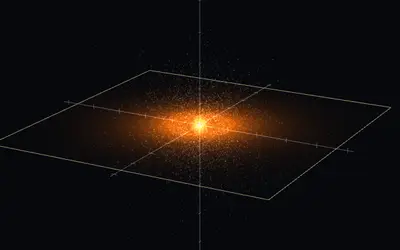
Every dot is one draw from the hydrogen 3d wavefunction. Where the dots crowd, the electron is likely to be. The two colors are the two signs of the wave.
Open the orbital lab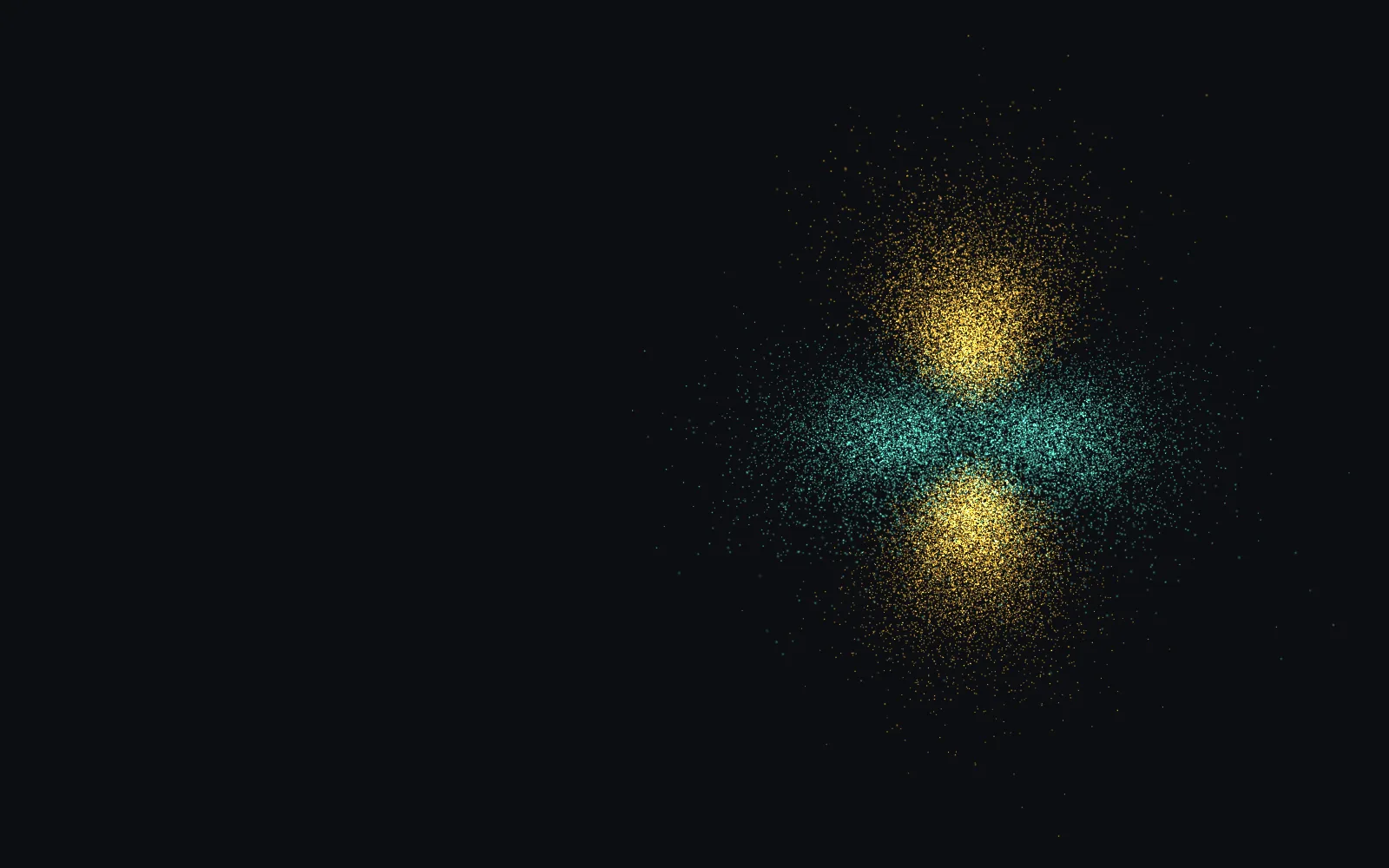
SCIENCE LABS IN YOUR BROWSER
Physics, chemistry and biology. Every experiment is a live model. Change one condition and see what happens.
Explore the labs32 labs193 experimentsFree, no sign up
01 / 05CHEMISTRY · THE ATOM
Every dot is one draw from the hydrogen 3d wavefunction. Where the dots crowd, the electron is likely to be. The two colors are the two signs of the wave.
Open the orbital lab02 / 05CHEMISTRY · THE CRYSTAL
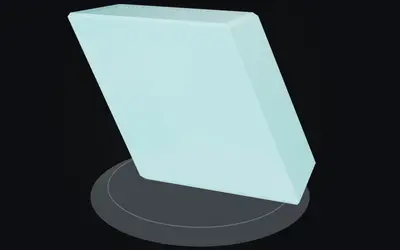
Sodium and chloride ions take turns along every edge, 0.282 nanometres apart. Repeat that pattern a few quintillion times and you have the grain on your table.
Watch a crystal grow03 / 05BIOLOGY · THE CELL
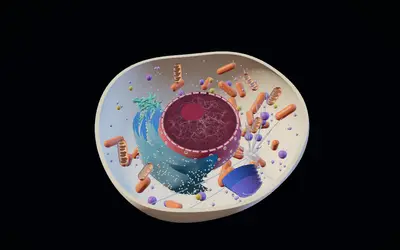
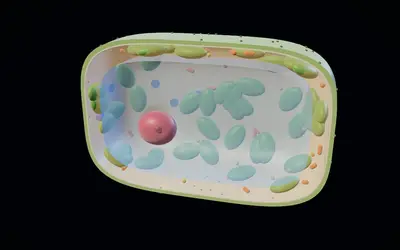
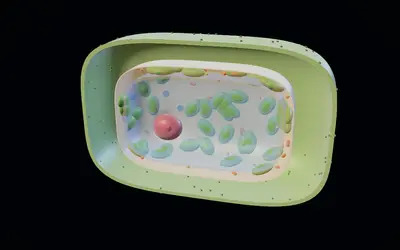
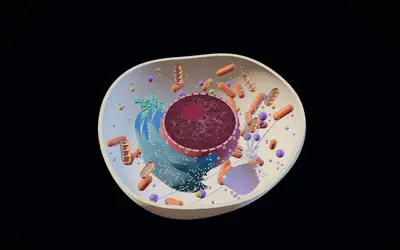
The nucleus keeps the plans, mitochondria supply the power, membranes build and ship. Ten chapters let you turn it, slice it and zoom in.
Open the cell atlas04 / 05PHYSICS · WAVES
Where crest meets crest the water rises. Where crest meets trough it lies still. This surface is that sum, computed as you watch. Light and sound obey it too.
Open the waves lab05 / 05PHYSICS · ORBITS
Each dot solves Kepler's equation on your graphics card, frame by frame. Fast near the planet, slow far away, which is why the dots bunch up at the far end.
Launch a satelliteTHREE SUBJECTS
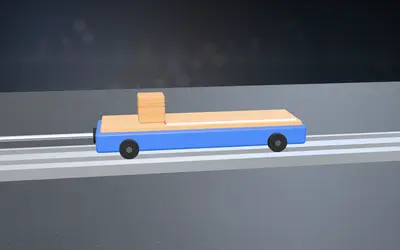
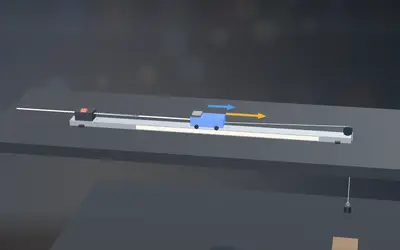
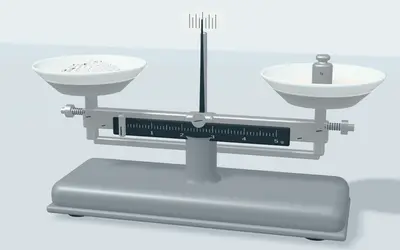
From a toy train to a satellite, from circuits to the double slit.
16 labs83 experiments
Enter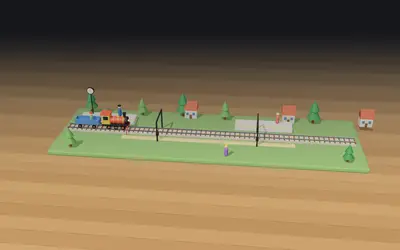
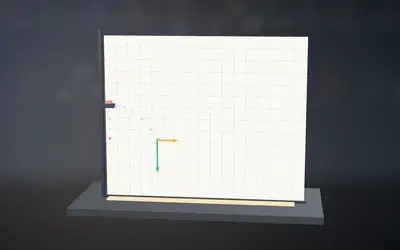
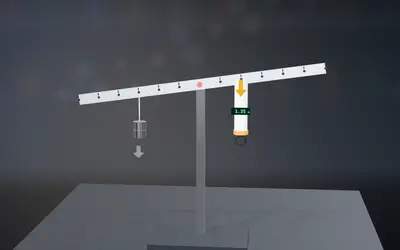
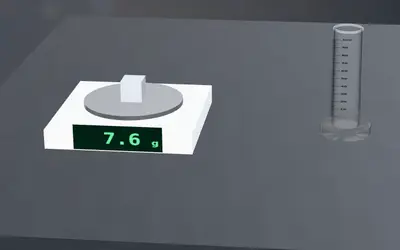
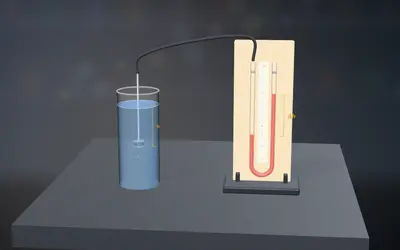
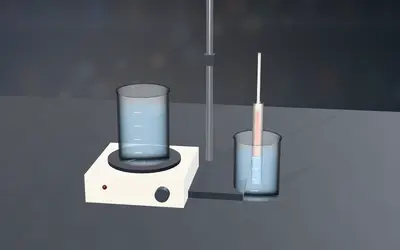
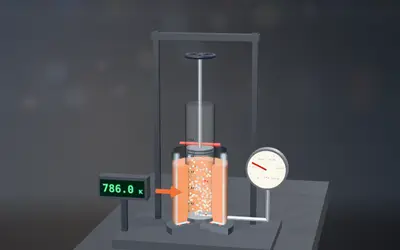
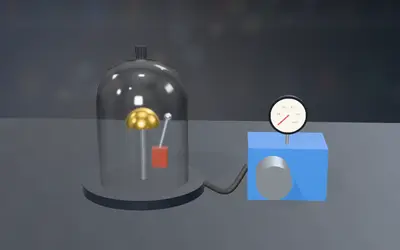
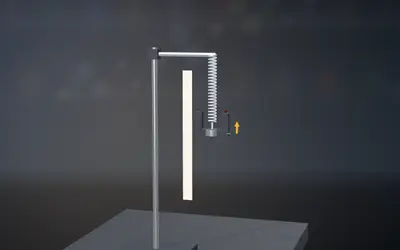
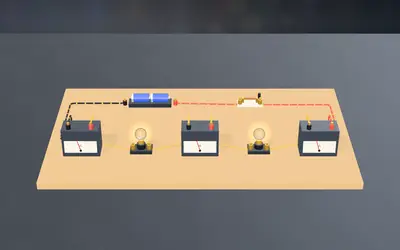
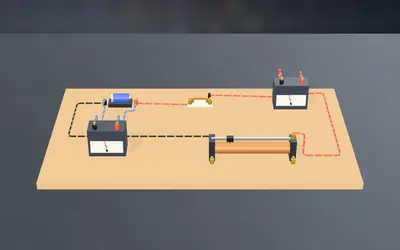
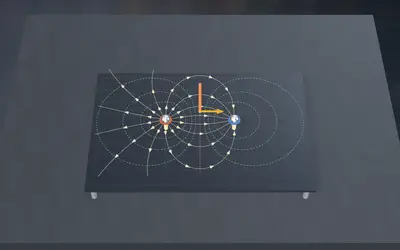
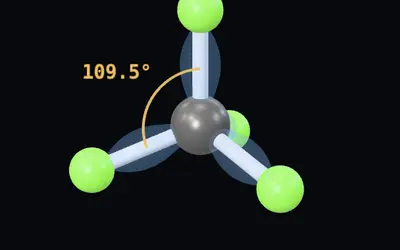
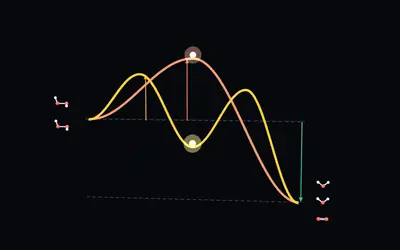
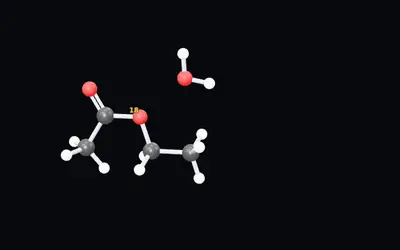
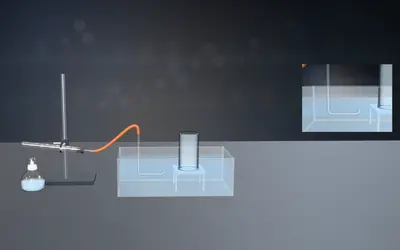
From electron clouds to crystals, from colliding molecules to the titration bench.
14 labs95 experiments
Enter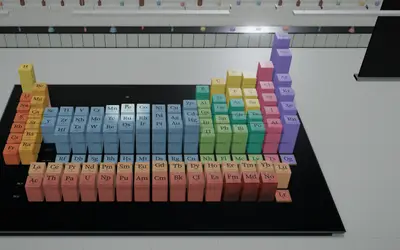
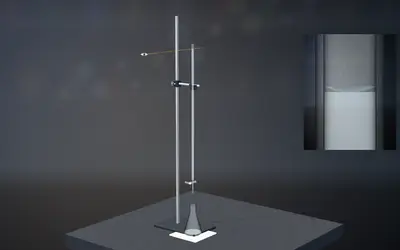
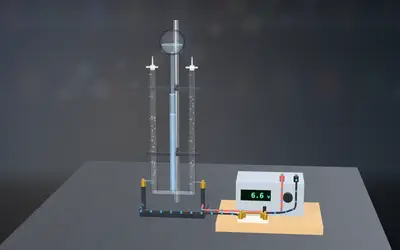
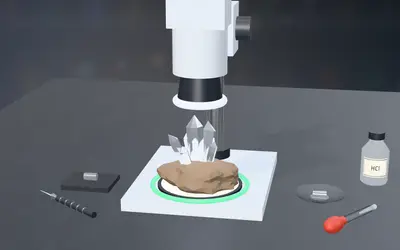
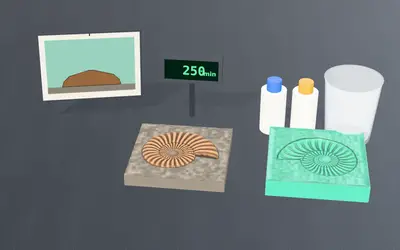
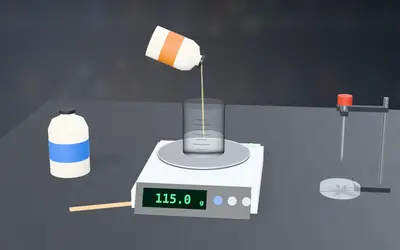
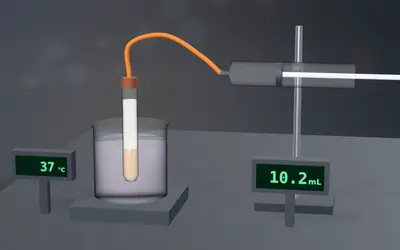
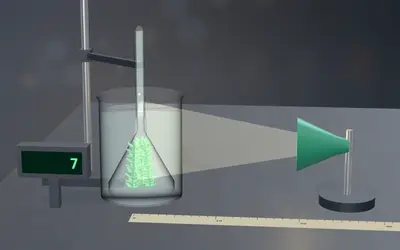
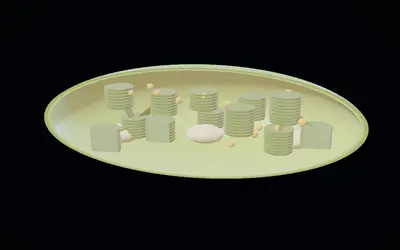
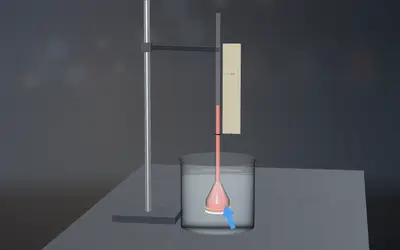
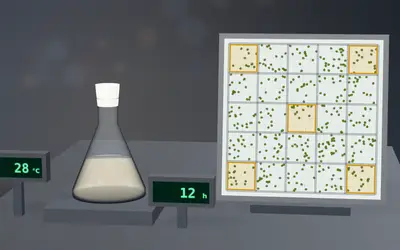
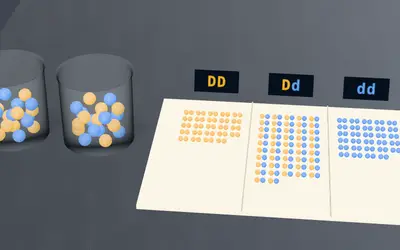
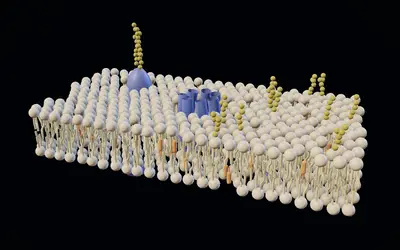
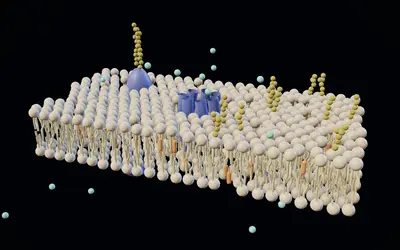
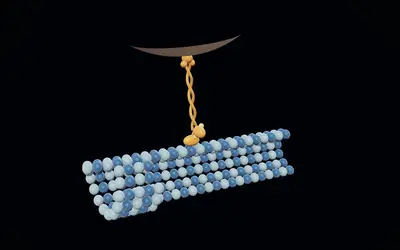
Slice open a cell, then test an enzyme, count a flask of yeast and draw a segregation ratio.
2 labs15 experiments
Enter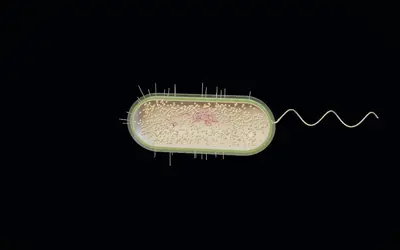
TRY ONE HERE
Light passes two slits and lands on a screen one metre away as bright and dark bands. Change the color or move the slits apart and the bands are recomputed at once.
HOW EVERY LAB IS BUILT
After the brakes, what keeps moving? Each experiment opens with an everyday question, not a formula.
Drag the weight, swap the gas, raise the voltage. Every reading on screen is computed by the model on the spot. Nothing is a recording.
Readouts, charts and the scene move together. Each model has to pass its own numeric checks before a release.
THE FULL INDEX
Click any name to open that experiment.
Neither. Open the page and start. Everything is free.
Yes. On a phone the lab controls move into a bottom drawer. Heavy 3D scenes run smoother on a computer.
Real calculations. Each lab runs a mathematical model that produces the scene and the readings live, and the model is checked numerically before release.
Middle school through high school physics, chemistry and biology. Each experiment starts from an everyday question, so curious adults can follow too.
Yes. Every experiment has its own link you can put on a projector, and you can switch between English and Chinese at any time.
Periodic table data comes from PubChem, IAEA and NIST. Cell and apparatus models are generated in code. Physical quantities follow the textbook equations.