GEOGRAPHY
Geography
Read the planet under your feet
Why do the days grow longer? Why does the Sun never set in some places on the same day? Start from the motion of Earth and make sense of day and night, the seasons and time.
- 29labs
- 108experiments
Earth and maps
Begin with how the planet moves. Day and night, the seasons and time all come from it.
6 labs25 experiments
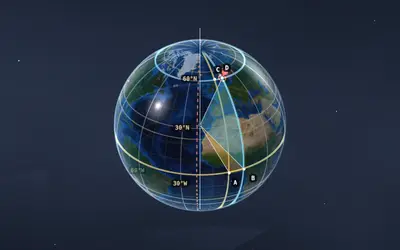 01Two angles at the centre“60°N, 10°E”: which two angles are these?
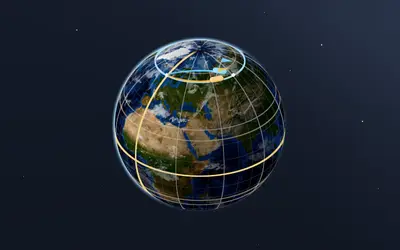 02Along the parallel, or the short cutCrossing the same 90° of longitude: where is the trip shortest?
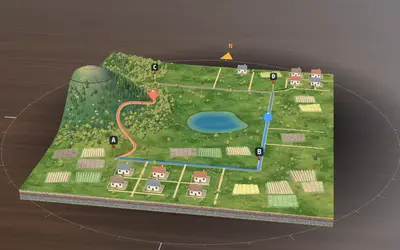
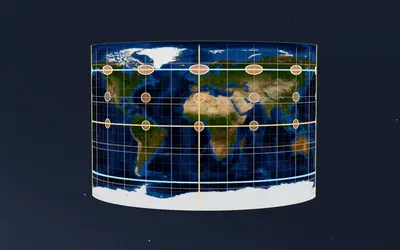 03Flatten the globeOn the map Greenland looks as big as Africa. Is it?LAB 3Map scale and route labA true-scale terrain sand table and its map. Enlarge the map and see how the scale must change, race walkers along different routes, then flood the table and watch roads close and the fastest route change.Open the lab →
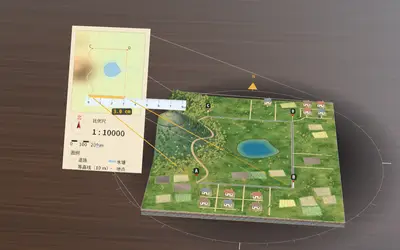 01The map grew, the road did notPrint the map twice as big. Is the road from A to B longer now?
 02Same length, different timesTwo routes of the same length. Why does one take over six minutes longer?
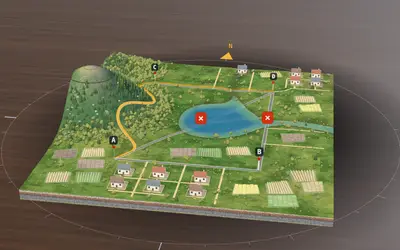 03As the water rises, which way?When the water rises, is the shortest road still open?LAB 3Local time, time zones and the date line labA globe lit by the real Sun. Watch the noon line sweep 15° of longitude an hour, see a new day spread west from the 180° line from above the North Pole, fly a plane east across the date line, then wait at a gnomon for the shadow to point north and find out why noon in Beijing is not at 12:00.Open the lab →
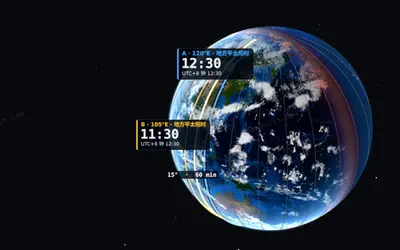 01The noon line sweeps two meridiansIt is noon at 120°E. How long until noon at 105°E?
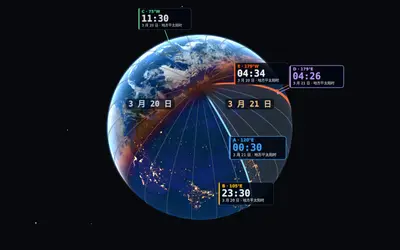 02Where does a new day begin?At 16:30 UTC, where is it already 21 March?
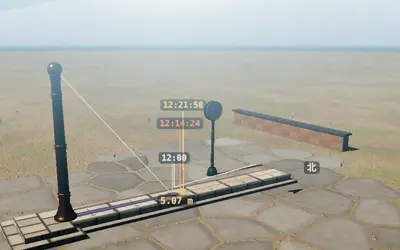 03When does the shadow point north?At 12:00 Beijing Time, is the Sun due south of Beijing?LAB 5Earth motion labA 3D Earth with a day side and a night side. Spin it once, send it round the Sun, then measure day length, a shadow, and the four extra minutes in a day.Open the lab →
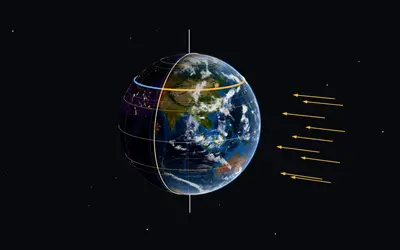 01One marker, one dayIf Earth stopped spinning, would there still be day and night?
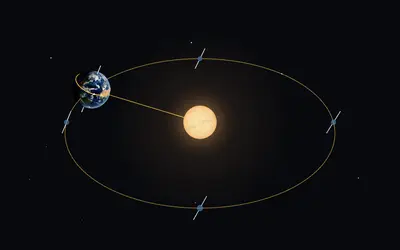 02Four positions in a yearIs summer hot because Earth is closer to the Sun?
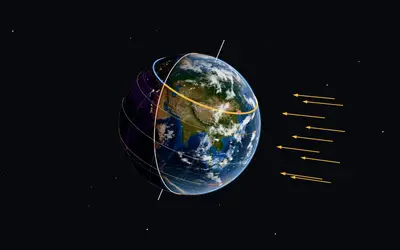 03The day arc on a parallelOn the same day, why does the Sun never set in some places?
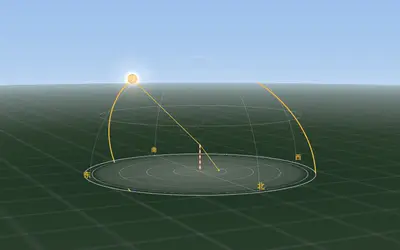 04A one-metre poleIs the midday Sun always in the south?
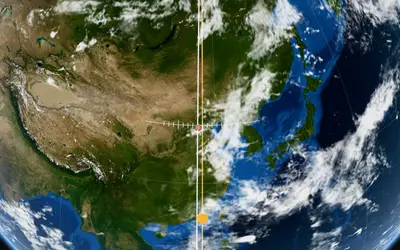 05The missing four minutesDoes one turn of Earth take exactly 24 hours?LAB 4Contour labA 3D terrain model that looks like a real mountain. Flood it to cut contours, name six landforms from lines alone, slice the hill for a profile, then judge where water runs and where roads go.Open the lab →
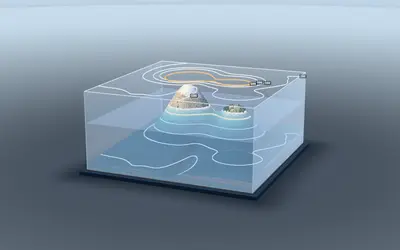 01Flood the mountainWhat exactly is a contour line?
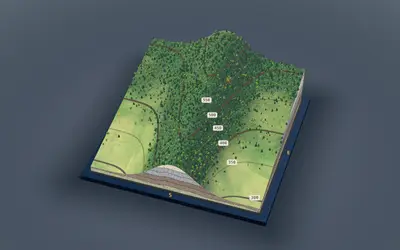 02Lines only: name the landformThe same nested rings: is it a hill or a hollow?
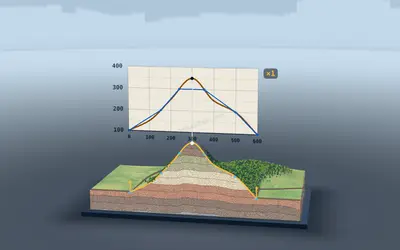 03Cut the hill openDo closer lines always mean a steeper hill?
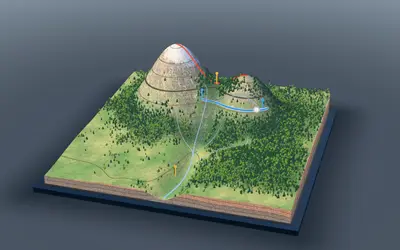 04Where water runs, where roads goIf the end is lower than the start, will water get there?LAB 7Earth shape and Solar System scale labPut “Earth is a sphere” to four pieces of evidence: circumnavigation, the height of Polaris, the shadow in a lunar eclipse and satellite images, each asked of a sphere and of a disc. Then squeeze the Solar System into a 15 m corridor and follow a pulse of light from the Sun to an Earth only 1.274 mm wide, and finally tell everyday sunlight from the particle clouds of solar activity.Open the lab →
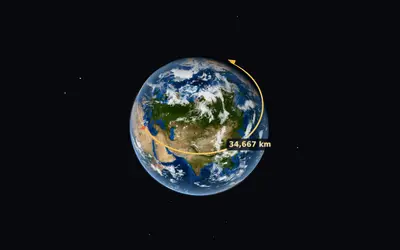 01Sail east: do you return to the start?How long is a loop along 30°, on a sphere and on the disc?
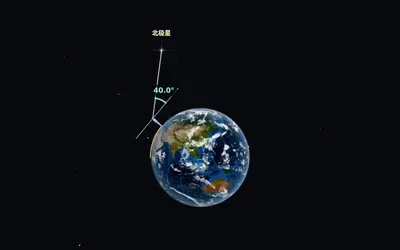 02Walk north and Polaris climbsHow high should Polaris stand at the equator?
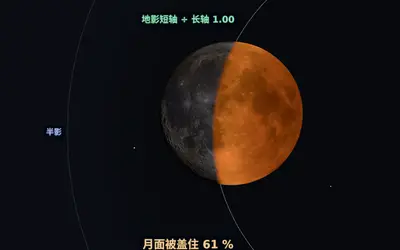 03What shape is Earth’s shadow in an eclipse?In an eclipse, is the shadow’s edge a circle or an ellipse?
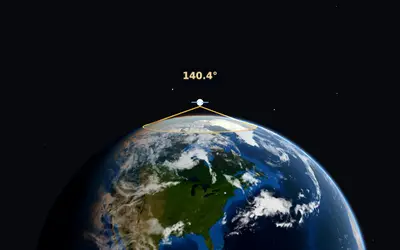 04The higher you go, the rounder Earth looksFrom 400 km up, how big does Earth look?
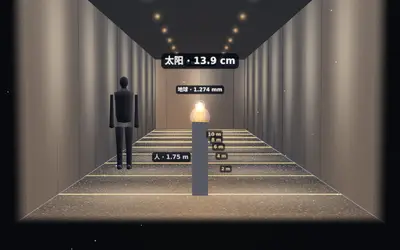 05Squeeze the Solar System into a corridorAt 1 m per 10 million km, how big a bead is Earth?
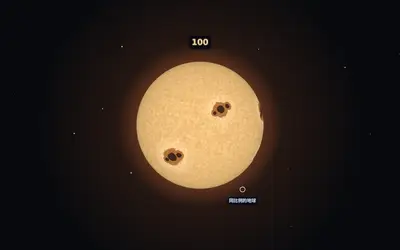 06Sunspot counts rise and fall: can we predict them?From the first four points, can you say where the peak is?
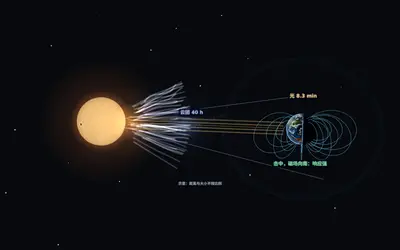 07Light first, particles laterThe Sun throws out a cloud. How long until Earth reacts?
Atmosphere and climate
Start with observations under the open sky, then join twelve months into a climate.
8 labs27 experiments
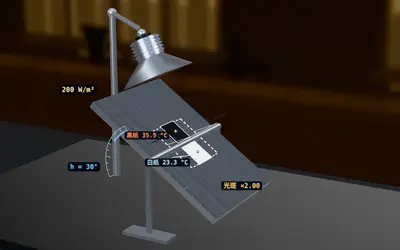 01One beam, tiltedWhy does a tilted surface receive less light per square metre?
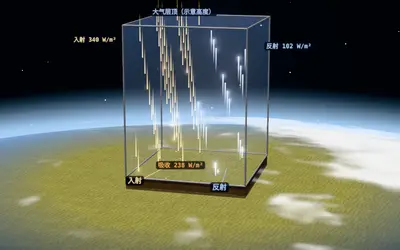 02How much is reflected, how much absorbedIf the albedo rises from 0.30 to 0.35, how much less does the system absorb?
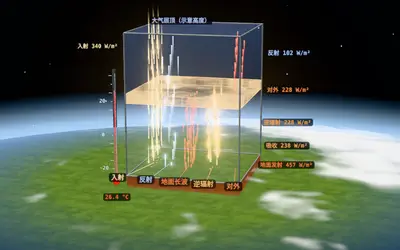 03Why the ground is warmer than space seesDoes back-radiation from the air break energy conservation?LAB 3Atmospheric layers labRise from a valley town to outer space with a weather balloon through four layers of air, lift a parcel and see whether it is pushed back or shoots up, then watch an inversion trap a power station’s smoke in the valley.Open the lab →
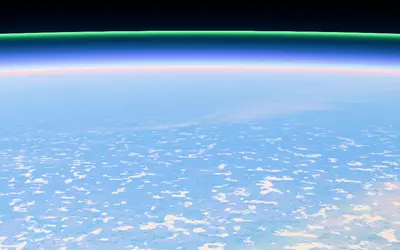 01From the ground to spaceDoes it keep getting colder as you rise? Why do pressure and temperature not move together?
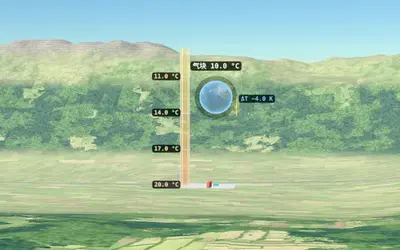 02What happens when a parcel is liftedAfter a parcel of air is lifted, does it come back or keep rising?
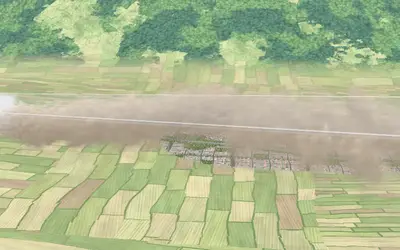 03Why an inversion traps smokeSame chimney, different temperature profile: how much does the valley air change?LAB 3Orographic rain and foehn labPush a parcel of air over a mountain and watch it cool, form cloud, rain out and warm again as it sinks; work out the height of the flat cloud base; then compare three mountains to see when a foehn appears.Open the lab →
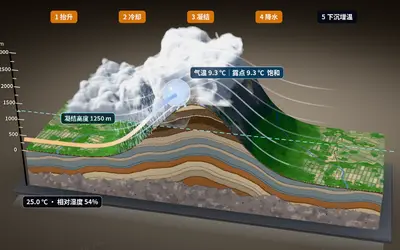 01Push a parcel of air over a mountainAs one parcel of air crosses a mountain it cools and gets damp. What happens on the way down?
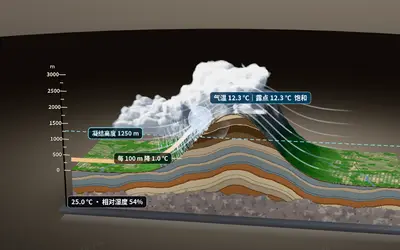 02Work out where the cloud base isWhy is the cloud base a flat line, and how high is it?
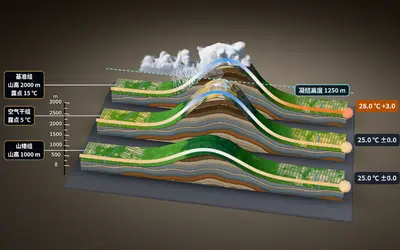 03Three mountains, one differenceWhy does the lee side gain a few degrees, and when does it not?LAB 5Atmospheric circulation labStart from the pressure difference between two columns of air: see how the warm column sends air aloft to the cool one, how sea breeze and slope wind turn around over a day, and how the pressure-gradient force, the Coriolis force and friction make the wind blow at a slant. Then spin the real Earth and watch streamlines change from one cell into three. Finally compare ideal pressure belts with NCEP monthly means and see how the wind over Asia reverses between winter and summer.Open the lab →
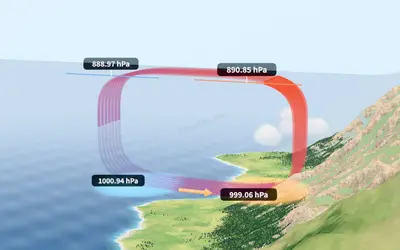 01Warm air rises, cool air fills inAfter the ground is heated, why is the warm column low in pressure at the surface but “high” aloft?
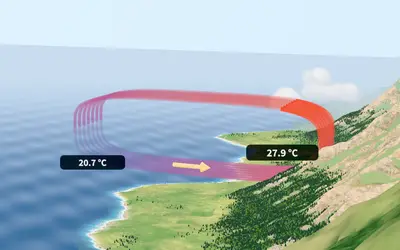 02The sea breeze comes by day and turns by nightOn the same coast, why does the wind blow the opposite way by day and by night?
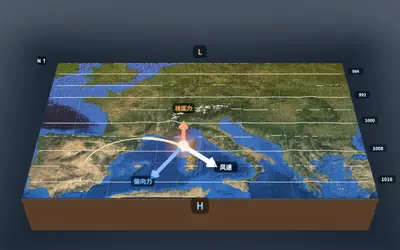 03Why wind does not blow straight to low pressureThe pressure-gradient force points to low pressure, so why does the air parcel run off sideways?
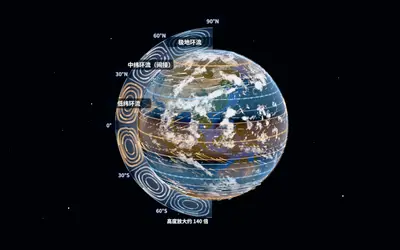 04Give the Earth a spinHow many circulation cells does a non-rotating Earth have, and a rotating one?
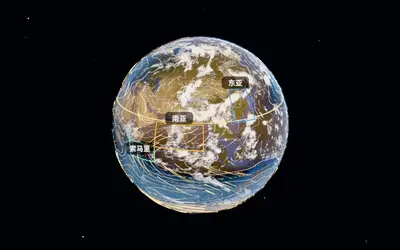 05The belts follow the Sun, and land and sea tear them apartIdeal pressure belts simply shift with the seasons, so why does the real wind over Asia reverse between winter and summer?LAB 3Fronts labPush cold air through and watch warm air climb the front to make cloud and rain: a cold-front rain band is narrow and sharp, a warm-front rain band wide and gentle. Read twelve hours at a ground station and judge blind whether it was a cold front, a warm front or just a clear night cooling, then see the answer. Rise high above to watch lows converge and lift air and highs diverge and sink air, with opposite spin in the two hemispheres, and reduce a mountain-top station to sea level.Open the lab →
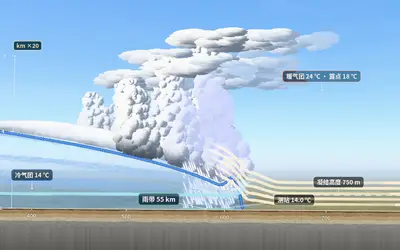 01Cold and warm front cross-sectionWhy is cold-front rain narrow and sharp, while warm-front rain is wide, gentle and falls ahead of the front?
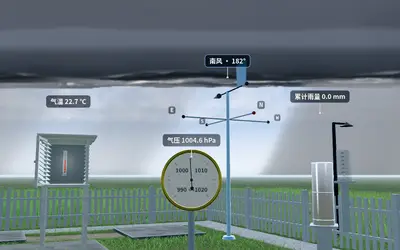 02Weather at a stationDoes a temperature drop alone prove a cold front?
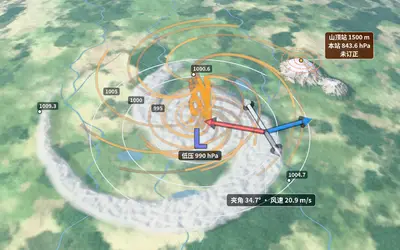 03Pressure field, wind and vertical motionWhy does northern-hemisphere air spiral counter-clockwise inward around a low and clockwise outward around a high?LAB 3Monsoon laboratoryTrace seasonal winds from a temperature contrast and compare monthly heat and rain.Open the lab →
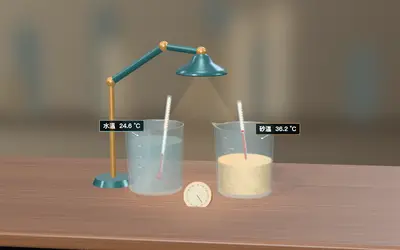 01One lamp, two beakersWhen the lamp goes out, which thermometer falls faster?
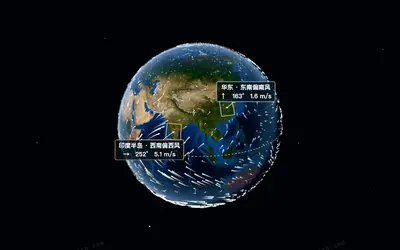 02Follow the wind across the equatorWhere does the wind over India come from in winter and summer?
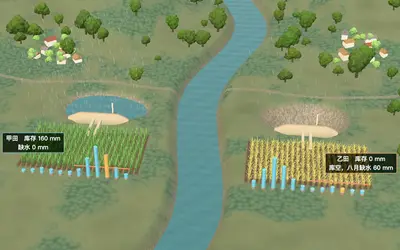 03Save winter rain for summer fieldsHow can equal annual rainfall produce different summer water shortages?LAB 4Typhoon labCut a typhoon open along a diameter and ride a reconnaissance aircraft from the outskirts into the eye: wind peaks in the eyewall and pressure is lowest at the centre. Then tune sea temperature, vertical wind shear and latitude to see whether it can form; drag latitude on the real Earth to see the spin reverse between hemispheres and fail at the equator; and finally let it make landfall to see why rain goes on as the wind weakens.Open the lab →
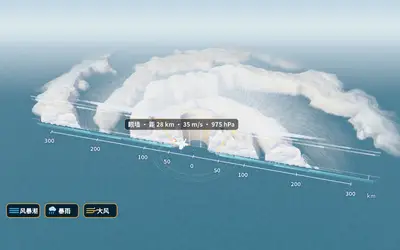 01Fly into the eyeWhy are the strongest wind and the lowest pressure not at the same place?
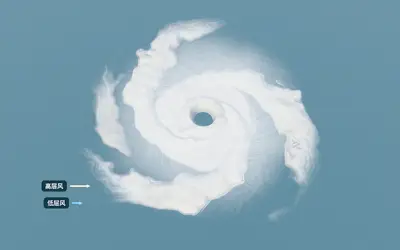 02Grow a typhoonOver 29 ℃ water, is a typhoon sure to form?
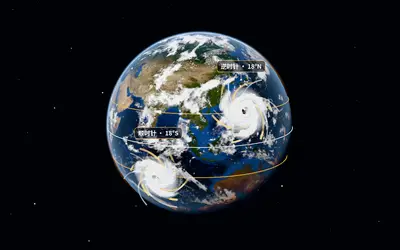 03Anticlockwise north, clockwise south, none at the equatorWhy does a typhoon turn anticlockwise in the north, clockwise in the south, and fail to spin at the equator?
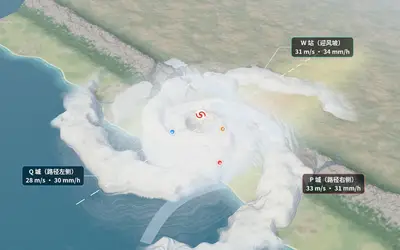 04The wind eases, the rain does notAfter landfall the wind weakens. Why is the rain hazard not over?LAB 3Weather and climate labA weather observing field under a real-looking sky. Watch one storm fall into three rain gauges of different openings, run through twelve months to grow a temperature line and rainfall bars, then shift the wet season by half a year and see the total stay put while the irrigation window moves.Open the lab →
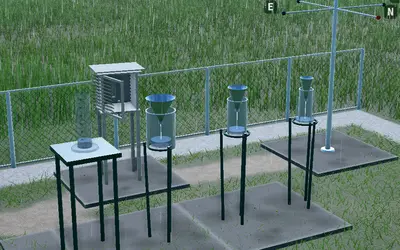 01One storm, three rain gaugesThe gauges have different openings and collect different volumes. Why is the depth the same?
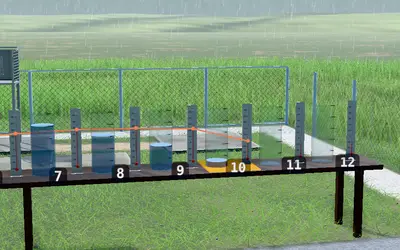 02Twelve months of a yearIs the hottest day the monthly mean of the hottest month?
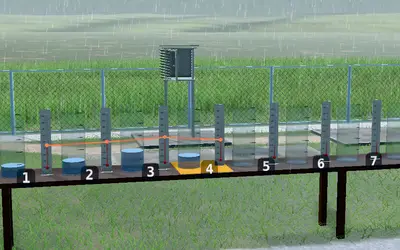 03Move the wet season by half a yearDoes the same annual rainfall mean the same water stress?
Water and oceans
Water neither appears from nowhere nor vanishes. It moves between ocean, air and land, and every share is written in the account.
5 labs19 experiments
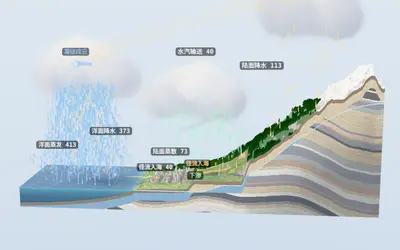 01How water completes a loopWhere does water that evaporates from the sea end up?
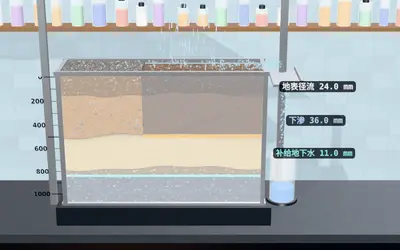 02Where rain soaks inIn the same rain, why does one slope pond while another recharges groundwater?
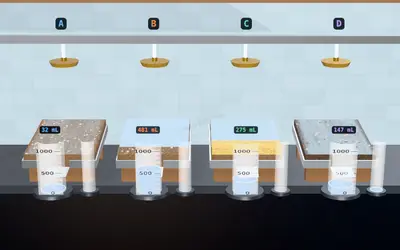 03One rain, three surfacesWhy does water reach the outlet earlier and harder once the ground is sealed?
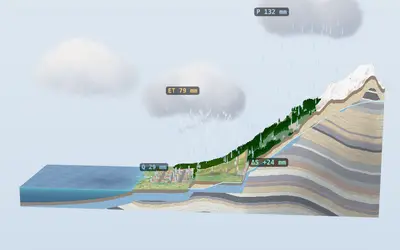 04The water account of a basinWith 200 mm of rain, 120 mm of evapotranspiration and 50 mm of runoff, how much water did the basin gain or lose?LAB 3Groundwater, river-aquifer exchange and reservoir regulation labA river valley cutaway and upstream dam: open the riverbank to see the water table in sand-gravel pores and three observation wells, raise or lower river stage to watch head reversal, delayed propagation and a pumping drawdown cone, then run an hourly reservoir ledger of inflow, planned release and spillway overflow.Open the lab →
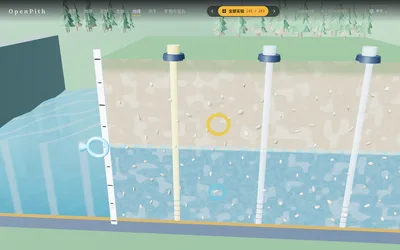 01Cut open the riverbank to inspect aquifer and wellsDoes groundwater sit in an underground river or inside sand-gravel pores?
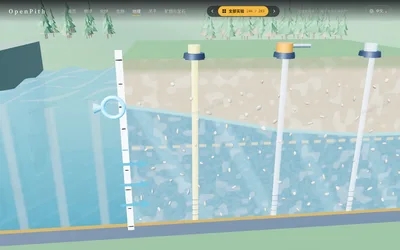 02Raise or lower river stage to reverse hydraulic headWhether river or groundwater feeds the other, why does the far well lag?
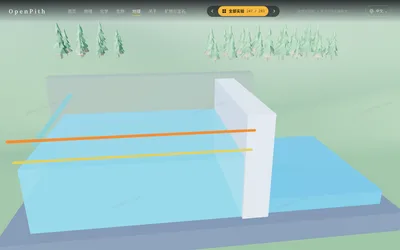 03Dispatch an hourly upstream reservoir ledgerWhen flood inflow doubles, in which hours does a 100×10³ m³ reservoir spill?LAB 5Seawater density and circulation labWeigh a 3.5% brine at the bench, watch dyed cold, salty water sink in a glass tank, then follow surface currents and the thousand-year thermohaline conveyor on a globe coloured with real ocean temperature and salinity, and finally work out how alongshore wind pulls deep water up.Open the lab →
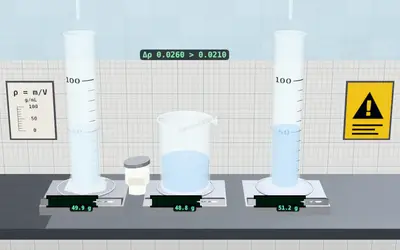 01How much heavier is brine?Make a 3.5% brine and weigh it. How much heavier is it than fresh water at the same temperature, and can your gear tell?
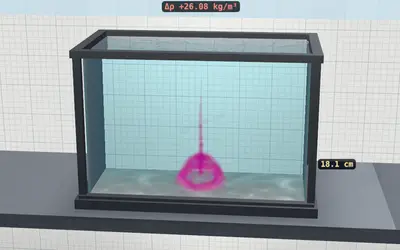 02Cold, salty water sinksDrop a little dyed water into the tank. Does it sink, float, or stop halfway?
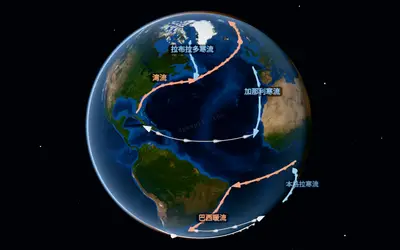 03A warm current is not always northwardWhich currents are warm and which are cold? Does a warm current always flow north?
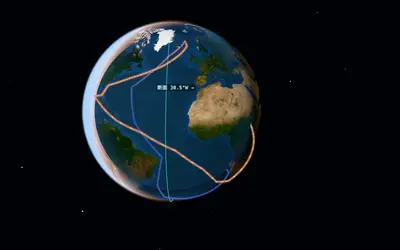 04A thousand-year conveyorA parcel leaves the North Atlantic, sinks to the deep sea and returns. How long does it take and how does it change?
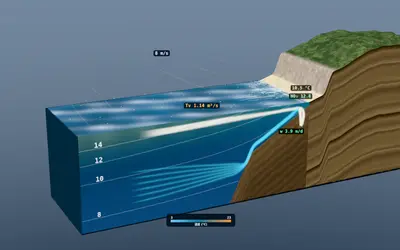 05Wind pulls deep water upWhy does water along a coast turn cold and green when wind blows along the shore?LAB 3El Niño, La Niña and ocean-atmosphere coupling labA 3D equatorial Pacific ocean-atmosphere block from Indonesia to South America: compute SST anomalies with a climatological baseline and 3-month running mean, adjust trade winds to watch warm-pool transport, thermocline tilt and eastern upwelling respond, then trace how shifting tropical convection redistributes regional rainfall.Open the lab →
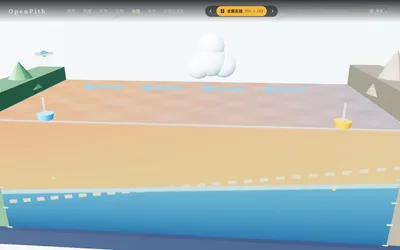 01Compute SST anomaly with baseline and running windowIs 27.0 °C always abnormal warming, and how many running windows does one missing month affect?
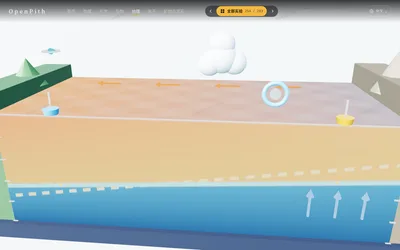 02Adjust trade winds to tilt the thermocline and upwellingHow does the subsurface thermocline tilt shift when trade winds weaken or strengthen?
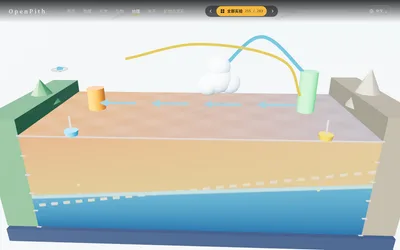 03Trace regional rainfall contrasts under teleconnectionsDoes a warm event make every region worldwide wetter at the same time?LAB 4Tide labWatch a small harbour’s water rise and fall twice in a day, then go to the Earth–Moon system to see how differential gravity becomes the tide-generating force, why the range is large twice and small twice every month, and how the Moon’s declination makes the two high tides of one day unequal.Open the lab →
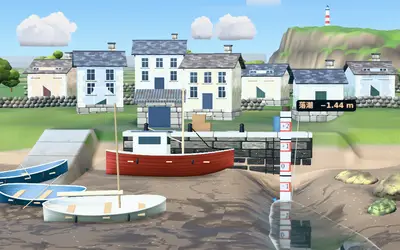 01The rise and fall of the tideOne small fishing harbour, one lunar day: how many times does the water rise and fall, how high and how low, and what is the tidal range?
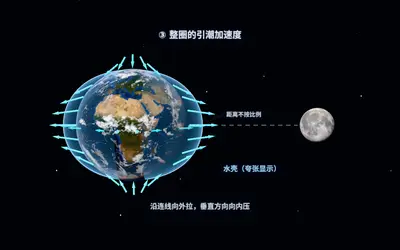 02Why does the far side rise too?The Moon pulls differently on the near point, the centre and the far point of the Earth. Why does the far side rise too?
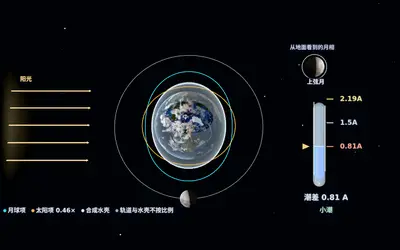 03Two big, two small, every monthTwice a month the tidal range is largest and twice it is smallest. How does that follow the Moon’s phases?
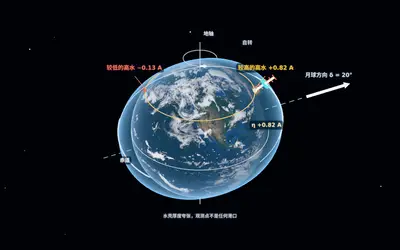 04Two high tides of different heightsAre the two high tides of one day always equally high? What happens when the Moon is off the equator?
Lithosphere and landforms
Land and sea floor both move, slowly. From changing sea level to plates pulling apart and colliding, and the earthquake belts that outline them.
7 labs28 experiments
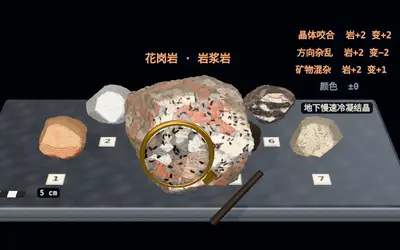 01Observe first, then classifyHow did this rock form, and can its colour tell you?
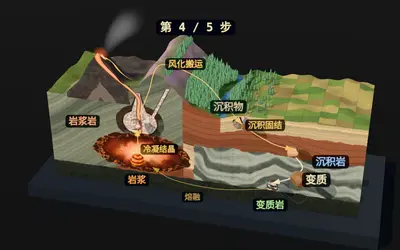 02The rock cycle is not a circleWhich processes turn one rock into another?
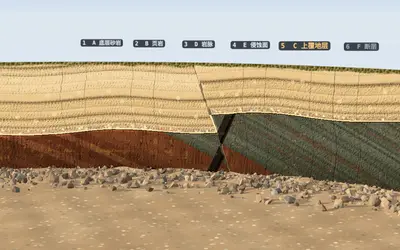 03Which came firstIn what order did the beds, dyke, erosion surface and fault on this wall form?
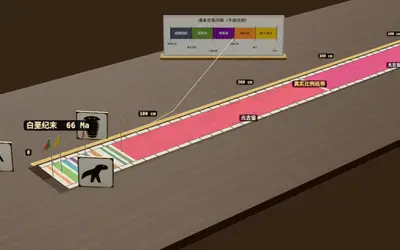 044.6 billion years squeezed into 4.6 mLay Earth’s history out as a paper tape: where are the dinosaur extinction and humankind?LAB 4Structures and karst laboratoryRead folded beds, displace a fault and follow water through limestone.Open the lab →
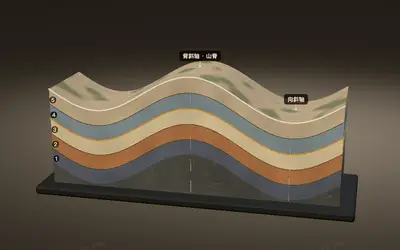 01Slice through an anticlineCan a valley floor lie on an anticline axis?
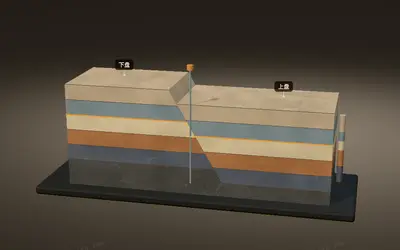 02Slide a fault blockWhy can one borehole meet the same marker twice?
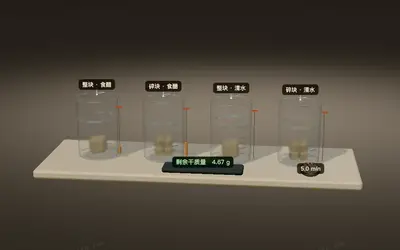 03Weigh four limestone samplesDo faster-reacting chips ultimately lose more mass?
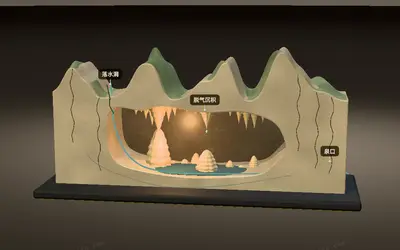 04Trace a drop through a caveWhy can some of the same rain reach a spring years later?LAB 3Weathering and wind laboratoryDistinguish weathering from erosion, tune the wind tunnel and watch dunes migrate.Open the lab →
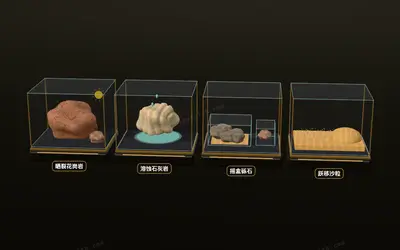 01Classify four specimensA rock changed shape. Which process left the evidence?
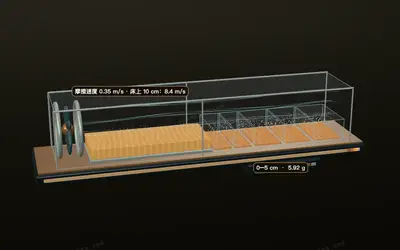 02Sort sand in a wind tunnelWhy can fine dust resist a wind that lifts sand?
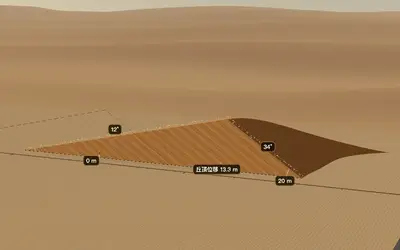 03Track a dune’s slip faceWhich moves faster at equal sand flux, a high dune or a low one?LAB 5River landforms labA flume of wet sand plus four outdoor landscapes: watch flowing water erode, carry and deposit; see a river cut a V-shaped valley and a waterfall retreat upstream; see sediment build fans and deltas at a mountain front and a river mouth; watch a bend grow and be cut off into an oxbow lake; and see an old valley floor left hanging as terraces after base level falls.Open the lab →
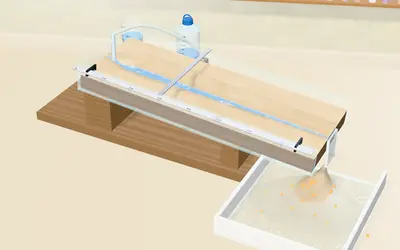 01How water carries away the sand of a grooveWith the same water, why does a steeper slope cut a deeper groove?
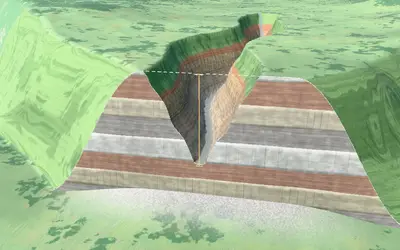 02How a river cuts a V-shaped valleyAs a river cuts deeper, why does the valley become a V, and why does a waterfall move upstream?
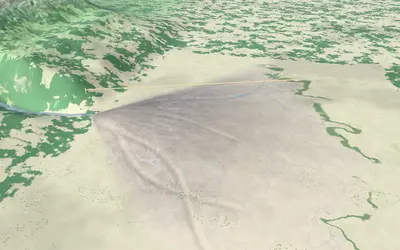 03Where sediment comes to restWhy does sediment spread into a fan beyond a mountain front, yet build a delta when it reaches the sea?
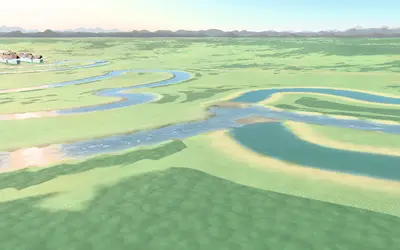 04Outer bank and inner bank in a bendWhy does one side of a bend retreat while the other advances? What is left when a bend is cut off?
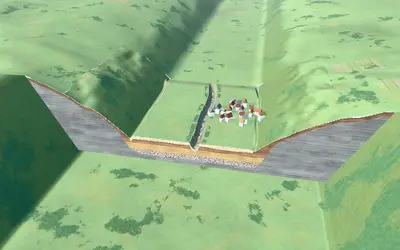 05How an old valley floor is left hanging as terracesWhere do the steps in a river valley come from, and which levels can still be flooded?LAB 3Glaciers, coasts and sea level labSee the U-shaped valley, hanging valley, cirques and end moraines left when a valley glacier retreats. Compare how the water level changes when ice on land and ice in the sea melts, and warm a narrow-neck flask to see thermal expansion. Then let waves run obliquely up a beach and watch longshore transport, a groin and sea-level rise rewrite the shoreline.Open the lab →
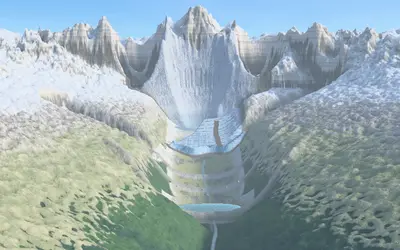 01The valley a glacier carvedWhat kind of valley is left when a glacier retreats?
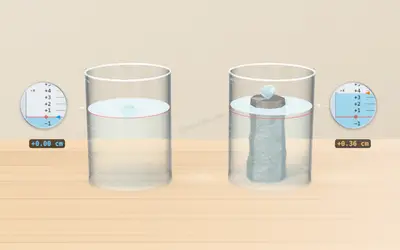 02Ice on land and ice in the seaDoes the water level rise when ice melts?
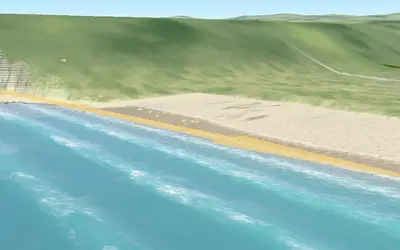 03A coast where waves move sandWhere do the waves carry the sand?LAB 5Plate drift labRun the real Earth back 250 million years and watch the continents reassemble into Pangaea. Pull a mid-ocean ridge apart and read sea-floor age for the spreading rate, squeeze, subduct and shear plate boundaries, then see how fifty years of large earthquakes outline the plates.Open the lab →
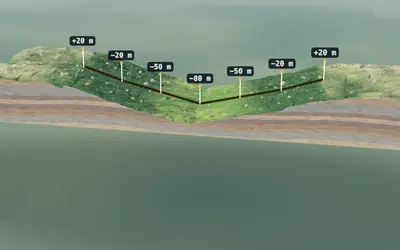 01Sea level drops and a land bridge appearsAt −60 m, are the two shores joined? And at −100 m?
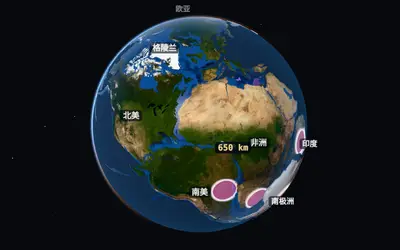 02Put the continents back togetherPut the continents back: do fossils and glacier traces join up?
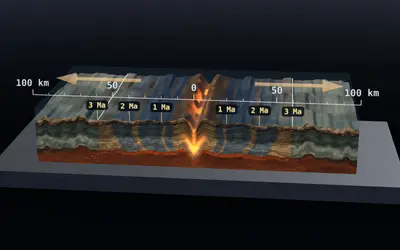 03The mid-ocean ridge pulls apartNew crust 60 km wide on each side: how long did it take, and how fast is the sea floor spreading?
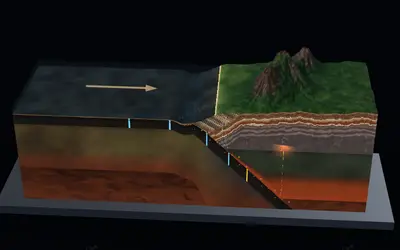 04Three things plates do at a boundaryTwo plates move past each other for 5 million years. What happens at the boundary?
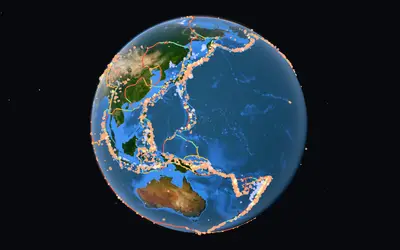 05Where fifty years of large earthquakes fallDo all magnitude 6+ earthquakes lie on plate boundaries?LAB 4Earthquake wave labRace P and S waves through a rock core, locate an epicentre from the S−P times at three stations, then send rays through a cut-open Earth and find the P and S shadow zones.Open the lab →
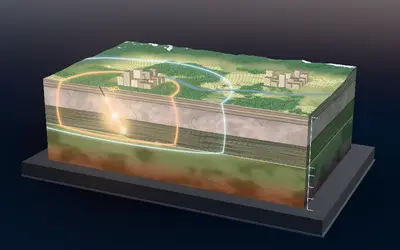 01The earthquake arrivesIn one earthquake, why does the nearer city shake harder? And what if the source is deeper?
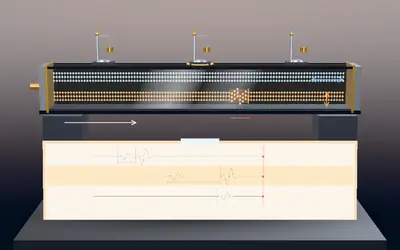 02P and S waves raceTwo waves leave together. Which arrives first, and does the gap grow with distance?
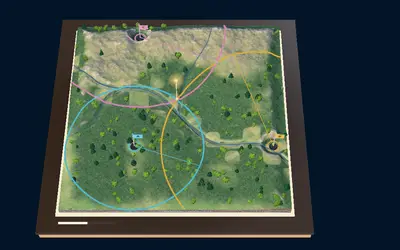 03Three stations find the epicentreKnowing only the S−P times at three stations, how do you find the epicentre? Why is the third station needed?
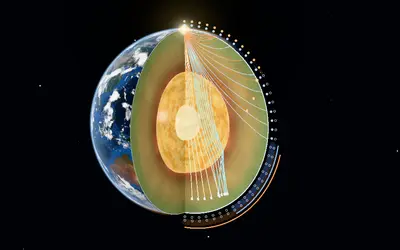 04Waves cross the Earth and leave shadowsWhy is there a band on the far side of the Earth with no P waves, and a wider region with no S waves?
Environment and hazards
Follow rainfall from a soil tray into a valley and investigate how it affects communities.
2 labs6 experiments
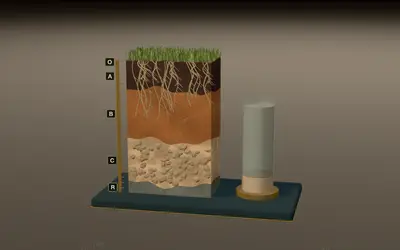 01Read a soil monolithWhat sorts the layers in soil and in a cylinder?
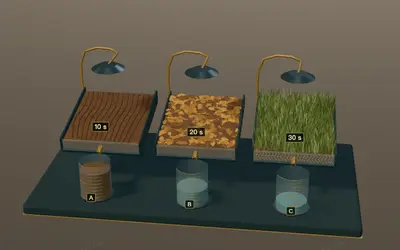 02Rain on three traysWhich tray drains first? Does darker water carry more soil?
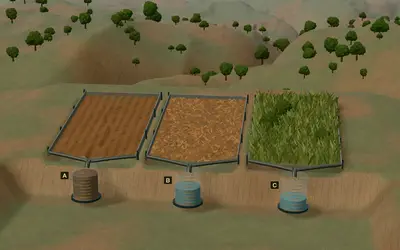 03Test a hillsideHow does doubling the angle affect sediment loss?LAB 3Hazard and risk laboratoryReplay a flood in a fictional valley, rank three villages and test the evacuation timetable.Open the lab →
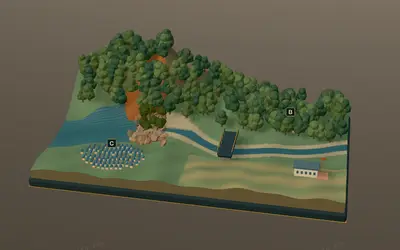 01Replay a valley stormHow can one flood have two different impacts?
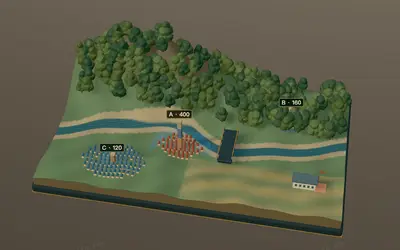 02Prioritise three villagesIf C alone grows, which village ranks first?
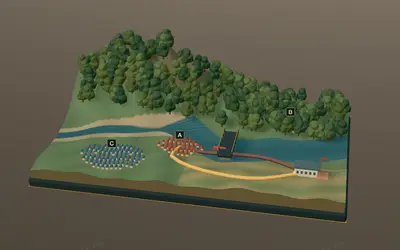 03Test evacuation and slope stabilityWith 20 minutes of warning, can everyone arrive?
Population, towns and industry
How people gather. Numbers, migration and age structure decide how many schools, homes and care services a town needs.
1 labs3 experiments
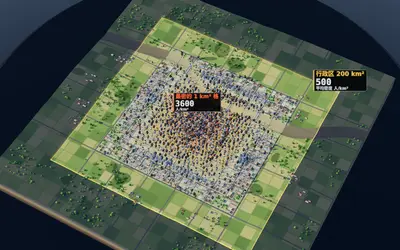 01The boundary grows; nobody movesThe district grows from 100 km² to 200 km² and none of the 100 000 residents moves. What happens to the average density?
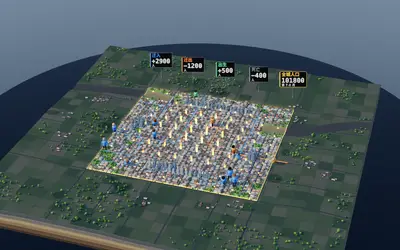 02A year in the population ledgerIf a city has fewer births than deaths, must its population shrink?
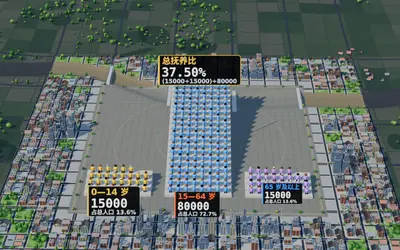 03Three stands on the squareDo newly arrived working-age migrants raise or lower the dependency ratio?
No experiment matches.
Try another word, or clear the search to see every experiment.